Last updated November 21, 2026
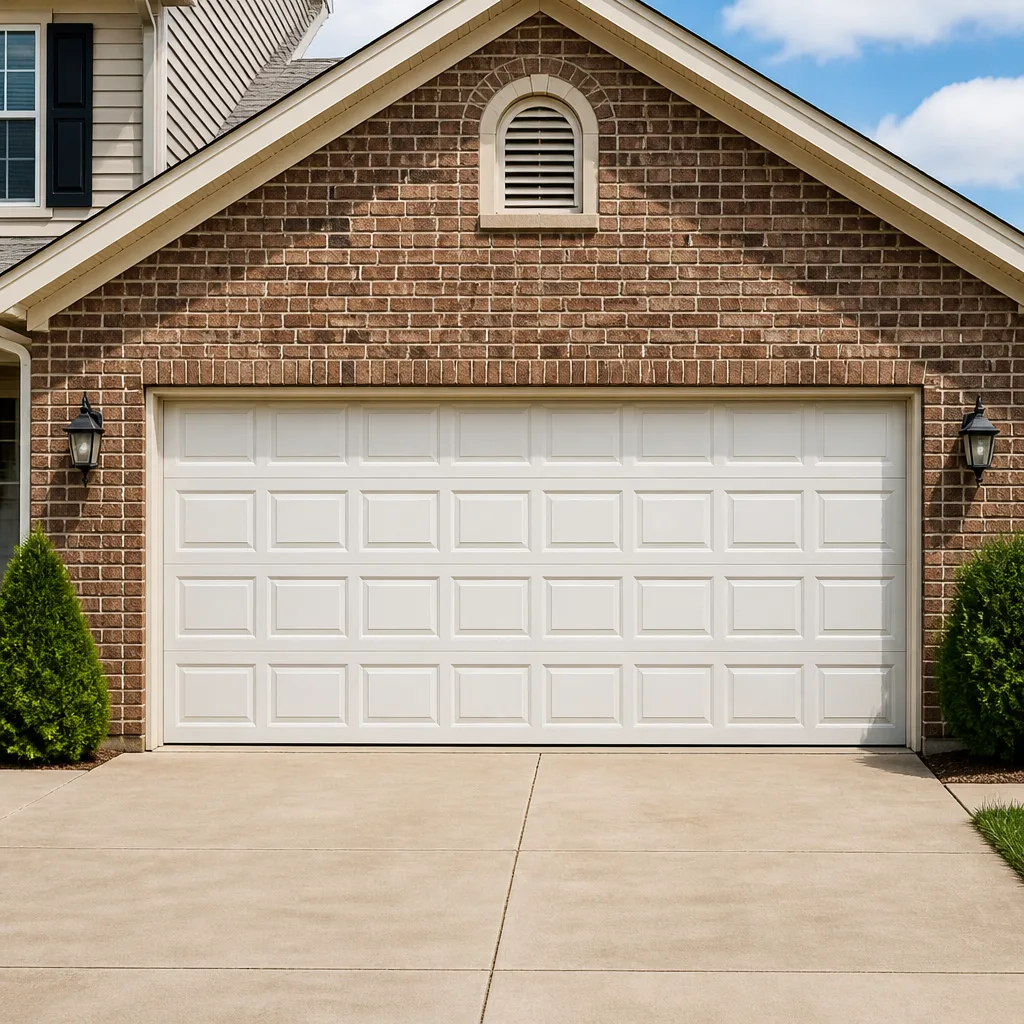 Raised-panel steel
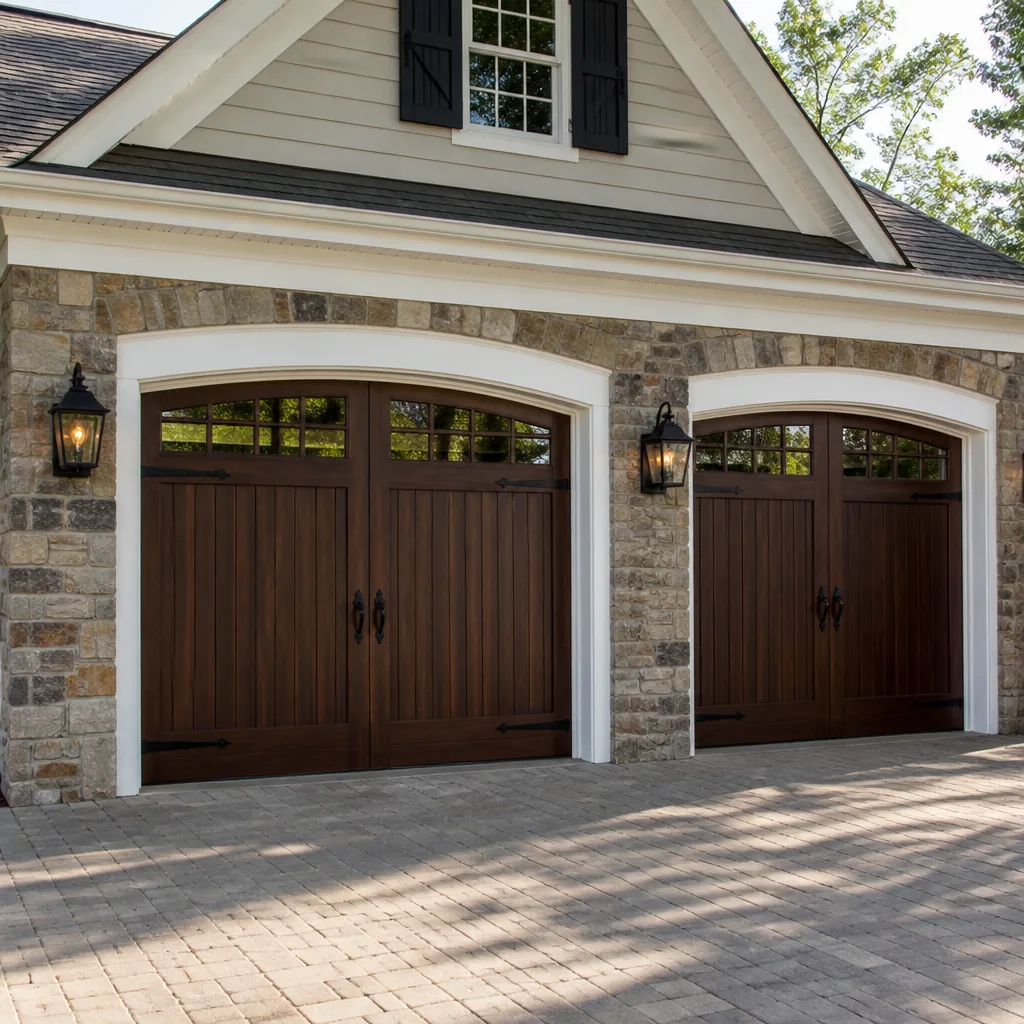 Carriage house
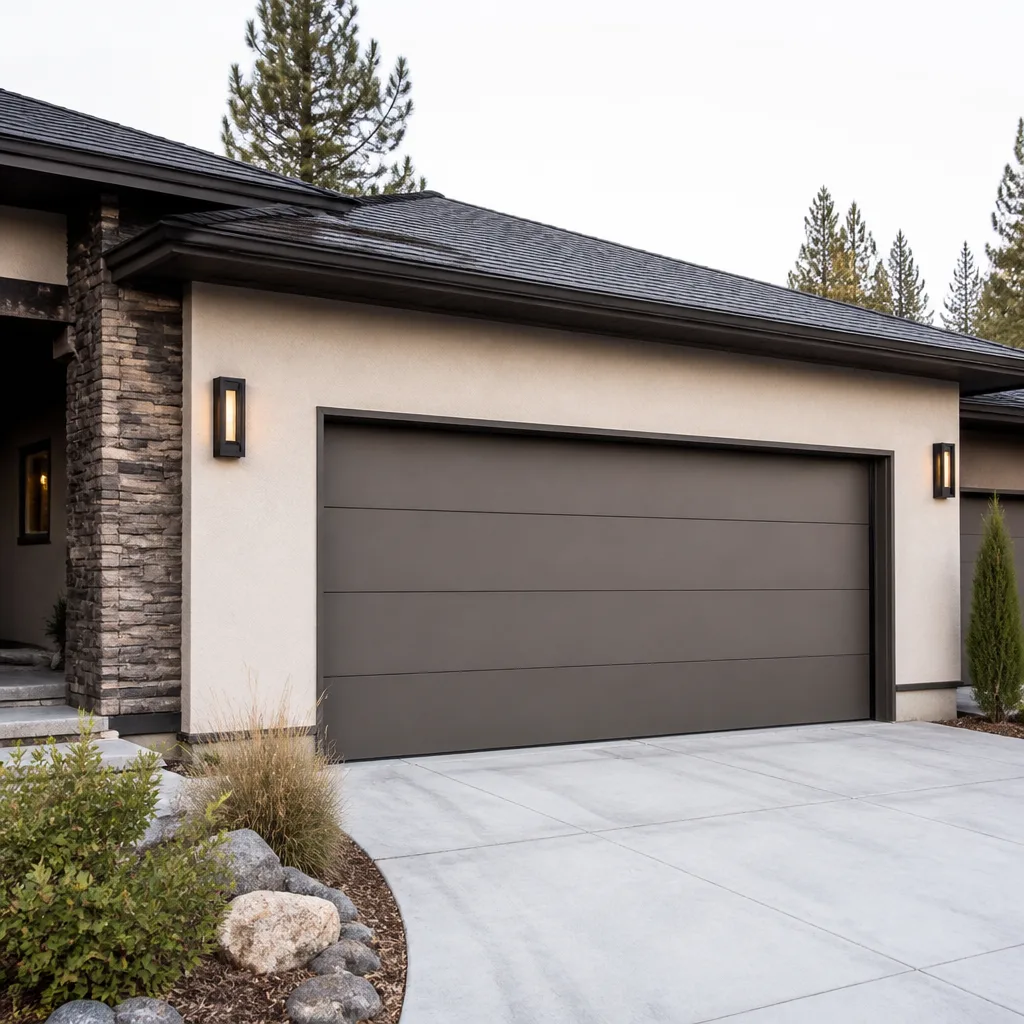 Modern flush
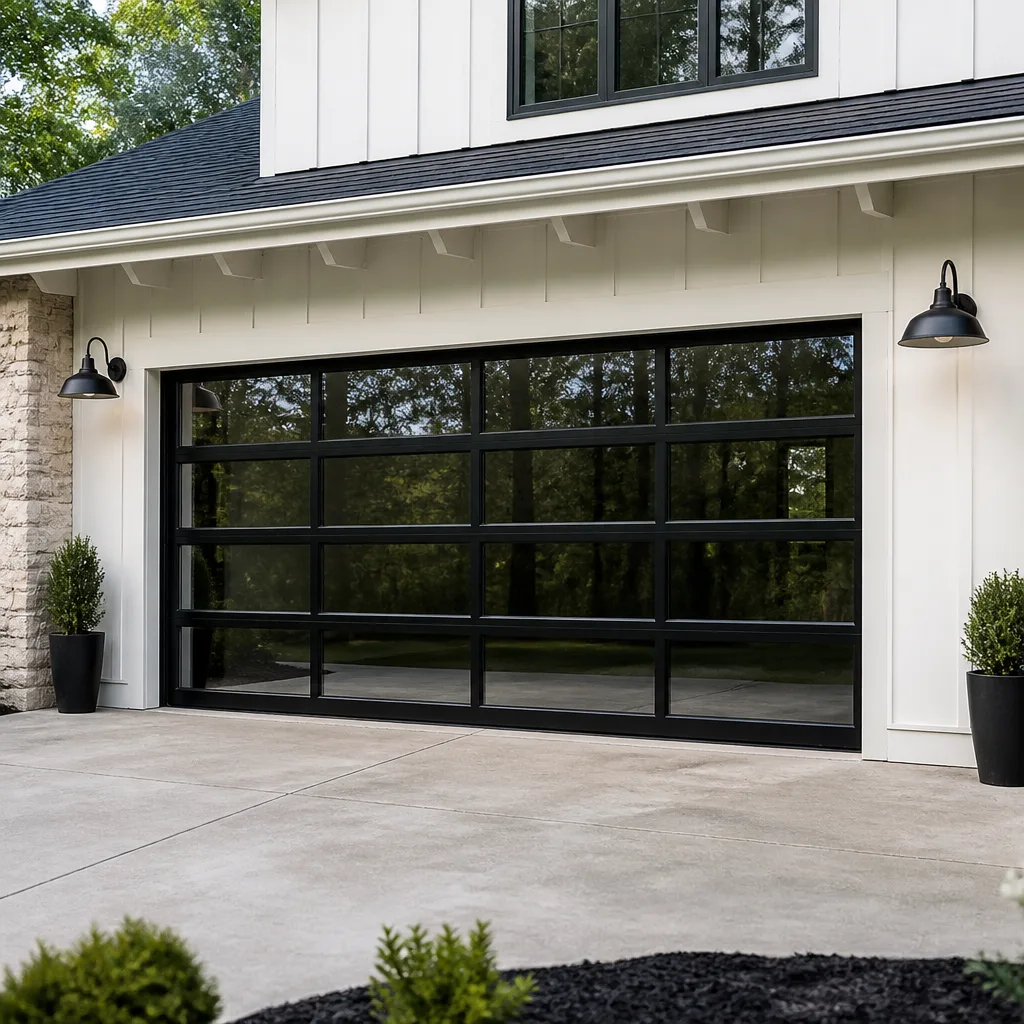 Full-view glass
 LiftMaster openers
 Chamberlain openers
Full 25-point door and opener safety check with every visit - springs, cables, rollers, tracks, and your LiftMaster or Chamberlain opener included
You get a price before we start. It does not change when the pro arrives.
Get your free estimateGarage Door Permits, Codes & Inspections in Parma, OH: What You Need to Know
Here’s the part most Parma homeowners get wrong: a straight door-for-door swap usually needs no permit at all, so people assume nothing about a garage door ever does. Then they add an opener on a circuit that wasn’t there, widen the opening a few inches, or find rot in the header above the door, and the job quietly crosses into permit territory. Most contractors won’t raise it unless you ask directly. This guide covers the thresholds that actually trigger a permit in Parma, the fire-rating rules that shape which door you can buy for an attached garage, what a city inspector really checks, and how unpermitted work surfaces when you sell.
Quick Answer
In Parma, replacing a garage door with the same size door in the same opening typically does not require a building permit. A building permit is generally triggered when the work changes the structure: resizing the opening, altering or repairing the structural header, adding an opener where none existed, or converting a garage. Ohio’s residential code also requires a fire-rated door between an attached garage and the house, which affects what you can install. Always confirm the current requirement with the City of Parma’s building department before work begins.
Styles & brands we work with
- Raised-panel steel
- Carriage house
- Modern flush
- Full-view glass
- LiftMaster openers
- Chamberlain openers
Table of Contents
- When a Garage Door Project Needs a Permit in Parma
- Ohio Residential Code and Garage Door Fire Ratings
- What a Parma Building Inspection Actually Checks
- How Unpermitted Garage Door Work Surfaces During a Home Sale
- HOA Rules That Layer on Top of City Code
- What to Ask a Contractor Before Signing
- The Permit and Inspection Process, Step by Step
- Common Mistakes to Avoid
When a Garage Door Project Needs a Permit in Parma
The simplest way to think about it: cosmetic and like-for-like work usually doesn’t need a permit, and anything that touches structure, wiring, or the size of the opening usually does. Parma’s housing stock makes this a live question. Much of the city is postwar brick bungalows and ranches with attached garages that were built long before anyone thought about opener circuits or insulated doors, so a “simple” replacement often uncovers something the original plans never accounted for.
Here’s the general breakdown:
- Usually exempt: Replacing a door with the same size door in the same opening, same material class, no structural change. Replacing a worn opener with a new one wired to an existing circuit.
- Usually permitted: Widening or heightening the opening, replacing or repairing the structural header above the door, adding an opener where none existed (new circuit), converting a garage to living space, or adding a garage where none stood.
- Ask first: Changing from a solid wood door to a steel or insulated door on an attached garage, because the fire-rating requirement kicks in and the inspector may want to see the door’s rating documentation.
Two things drive the permit question in Parma more than anything else: whether the garage is attached or detached, and whether the work changes the opening. A detached garage gives you more room to work, because the fire separation between garage and house isn’t in play. An attached garage in a neighborhood like Parma Heights-adjacent blocks or the older sections near Ridgewood Drive is a different story. When in doubt, a two-minute call to the building department settles it, and it’s cheaper than finding out later.
Ohio Residential Code and Garage Door Fire Ratings
Ohio’s residential code requires a fire-rated separation between an attached garage and the living space, and the door leading from the garage into the house is part of that separation. What surprises homeowners is that this rule reaches further than the man-door. If your garage door assembly is part of the wall between garage and house (rare, but it happens in some conversions), the door itself becomes part of the fire separation and must carry the appropriate rating.
In ordinary attached-garage replacements, the fire rating mostly affects the door between the garage and the house, and it shapes material selection. A hollow-core or thin-panel door won’t pass. A solid-core or rated door will. If your project includes replacing that interior door alongside the overhead door, plan for it.
The overhead door itself matters differently. Many manufacturers, including Clopay and Amarr, publish fire-rated options for situations where the door is part of a required separation. When a Parma inspector reviews the work, the door’s rating label and the manufacturer’s documentation are what they’ll want to see. If you’re shopping for a new door and the garage is attached, ask the supplier directly which of their models carry a fire rating and get the paperwork in writing. It’s a code point that affects door material selection, not just installation method.
We work on Clopay, Amarr, Wayne Dalton and Craftsman doors regularly, so we know which product lines carry the documentation a Parma inspector will ask for. If you’re weighing options, a garage door installation consult is the right place to sort fire rating from curb appeal.
What a Parma Building Inspection Actually Checks
When a Parma inspector shows up for garage door work, they’re not grading the paint job. They’re checking that the door is safe and that the structure around it is sound. In our experience, the inspection is focused and predictable. Know what they look at and the visit is a formality.
- Opener safety reversal. The inspector tests that the door reverses when it meets an obstruction. On modern openers from LiftMaster, Chamberlain and Genie, this is a built-in feature, but it has to be adjusted correctly. A door that presses down on an object and keeps going fails.
- Photo-eye alignment. The safety sensors at the base of the tracks must be mounted, aligned, and working. Misaligned eyes are the single most common reason a door fails a final inspection.
- Spring system anchoring. Torsion springs mount to a shaft and center bearing plate; extension springs run along the tracks with safety containment. The inspector checks that the anchoring is sound and that containment is present on extension systems.
- Header integrity. If the header was repaired or replaced, the inspector verifies the new framing carries the load. This is where a lot of unpermitted “just widen it a little” work gets caught.
- Fire separation. On an attached garage, the separation between garage and house, including door ratings, gets a look.
Misaligned safety eyes account for a surprising share of failed inspections, and they’re easy to knock out of line during a new install. A good installer tests them before calling for the inspection.
How Unpermitted Garage Door Work Surfaces During a Home Sale
Unpermitted garage door work rarely causes a problem until you try to sell. Then it can slow a closing. The discovery usually happens in one of three places:
- Title search and permit history. A buyer’s title company pulls the property’s permit history. A permit that was opened but never closed shows up as an open item, and the closing can stall until it’s resolved. If a permit was never pulled for structural work, there’s nothing on record to show the work was inspected.
- Home inspection. A good inspector checks the header, the spring system, and the opener. A widened opening with a header that wasn’t inspected stands out. So does a spring system that was never anchored properly.
- Insurance. If a garage door failure damages the structure and the work was unpermitted and uninspected, the claim can become complicated. We’re not going to tell you an insurance claim will definitely be denied; that’s not a claim we can make. But unpermitted work gives an insurer questions to ask, and that’s rarely the position you want to be in.
The fix for unpermitted work is usually a retroactive permit and inspection, but the process in Parma can be slow and sometimes requires opening up finished work so the inspector can see what was done. That’s the real cost. If you’re in a house bought from a prior owner and you suspect the garage opening was modified, it’s worth pulling the permit history now rather than during a sale.
HOA Rules That Layer on Top of City Code
City code is the floor, not the ceiling. Many Parma-area developments, especially the planned subdivisions and townhouse communities, have HOA rules that add style, color, and material restrictions on top of whatever the city requires. A door that passes Parma’s code and inspection can still violate your HOA covenants, and the HOA has its own enforcement timeline.
Typical HOA restrictions to check before you order a door:
- Style. Raised-panel vs. carriage-house vs. flush. Some HOAs restrict carriage-house or designer styles to specific elevations.
- Color. A limited palette, sometimes tied to the home’s siding color. “White or almond” is a common restriction.
- Material. Steel vs. wood vs. composite. Some covenants require the door to match existing materials.
- Window configuration. Whether the door can have windows, and how many.
- Approval process. An architectural review committee that must sign off before installation. Get this in writing before you order; manufacturers won’t take back a custom door.
The trap is ordering a door your HOA then rejects. On a stock size, that’s a return. On a custom size or a special-order color, it’s a loss. Ask for the HOA’s written approval first, then order. If you’re in a Parma subdivision and unsure, look up your covenants through your HOA or the county recorder before you commit.
What to Ask a Contractor Before Signing
The permit question is where you separate a specialist from someone who’ll just show up with a truck. Ask directly, and ask in writing. A contractor who does garage doors every day will answer in seconds. One who doesn’t will hedge.
- “Will this job need a permit, and are you pulling it?” A straight replacement? Usually no. Anything structural? Yes, and the contractor should be handling the application.
- “Who schedules the inspection?” It should be the contractor. If they hand that back to you, that’s a sign.
- “What’s the fire rating on this door, and can you show me the documentation?” On an attached garage, ask before you sign, not after.
- “Are you licensed and insured as Ohio requires?” Any legitimate garage door company answers this without hesitation.
- “Is the price quoted final?” The answer should be: the written estimate is the price, agreed before work starts.
We’ve watched Parma homeowners get burned by a cheap quote that skipped the permit and the inspection, then sat with an open permit during a sale. A garage door repair company that talks about permits without being asked is usually the one you want.
The Permit and Inspection Process, Step by Step
If your project does require a permit, here’s how the process works in a typical Ohio suburb like Parma. Timelines vary with the building department’s workload, so treat these as the steps, not as a schedule.
- Confirm the requirement. Call the City of Parma building department and describe the work. Ask specifically whether the scope triggers a permit.
- Submit the application. Your contractor typically prepares and files it, including scope of work and any structural drawings if the opening is changing.
- Receive the permit. The permit card goes on the job site. Work doesn’t start before it’s issued.
- Complete the work. Door, opener, springs, header, and fire separation all get installed to code.
- Call for inspection. This happens after the work is done and before the permit is closed.
- Pass the inspection and close the permit. The closed permit is your proof the work was done right.
One point that trips people up: the inspection happens after the work, not during. If the door fails, you fix it and get re-inspected. That’s normal and not a disaster, but it’s a reason to have an installer who knows the checklist before the inspector arrives.
Common Mistakes to Avoid
- Assuming no permit means no rules. A like-for-like replacement is usually exempt from a permit, but the fire rating still applies on an attached garage. The door’s documentation matters even when no inspector visits.
- Widening the opening “just a little.” Even a few inches off the header changes the structural picture and triggers a permit. Most people hear “a few inches” and assume it’s not structural. It is.
- Ordering a door before HOA approval. Custom and special-order doors aren’t returnable. Get the HOA’s sign-off in writing before you commit to color or style.
- Skipping the inspection call after the work. An open permit is worse than no permit at all, because it sits on the record and stalls a sale. Close it.
- Replacing a spring without containment on an extension system. This is a safety issue, not just a code one. The containment runs through the spring, not around it, and a trained technician knows the difference.
- Assuming a handyman can handle it. Spring work and opener work are their own trades. We’ve seen a lot of “fixed” doors that weren’t. A garage door opener repair that ignores the safety reversal adjustment is a fail waiting to happen.
- Closing on a house without checking the permit history. Pull it before you buy, not after. A closed permit is peace of mind; an open one is a negotiation point.
See the difference
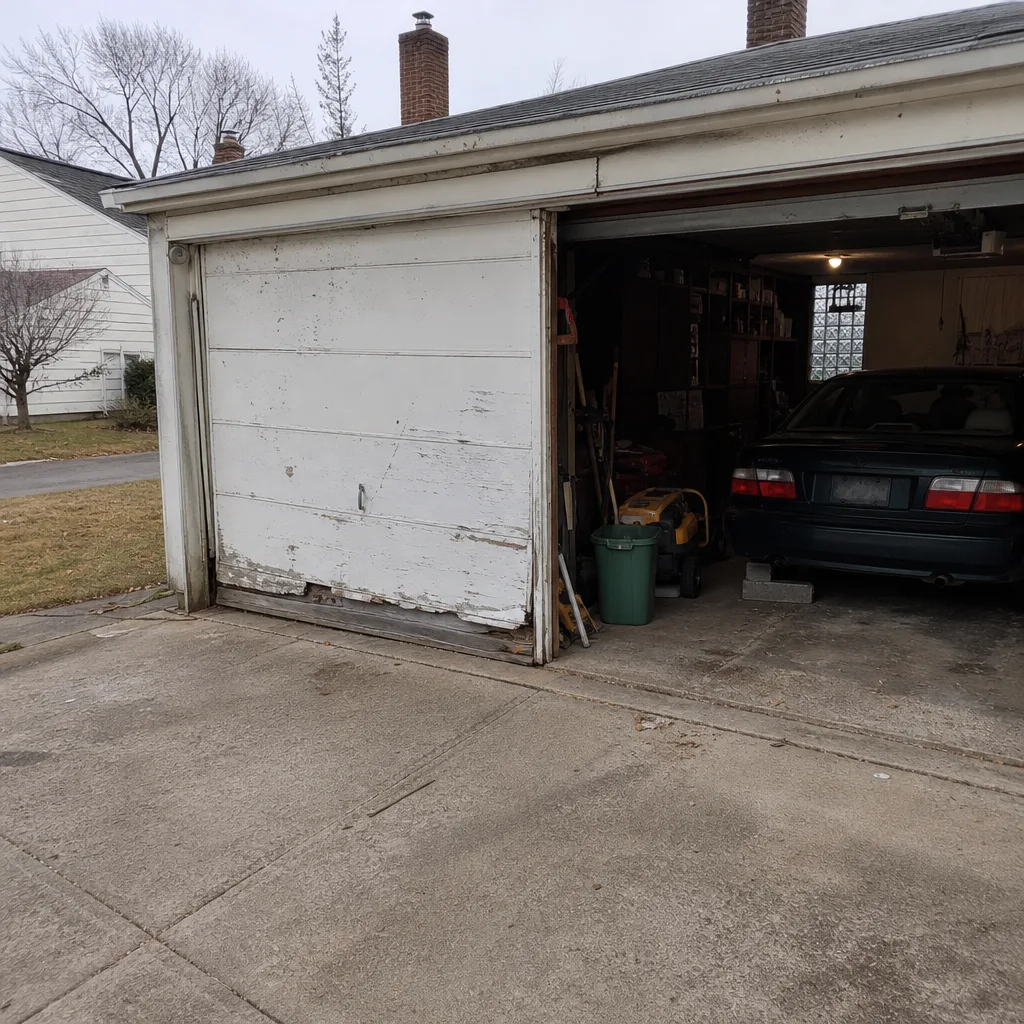 Before
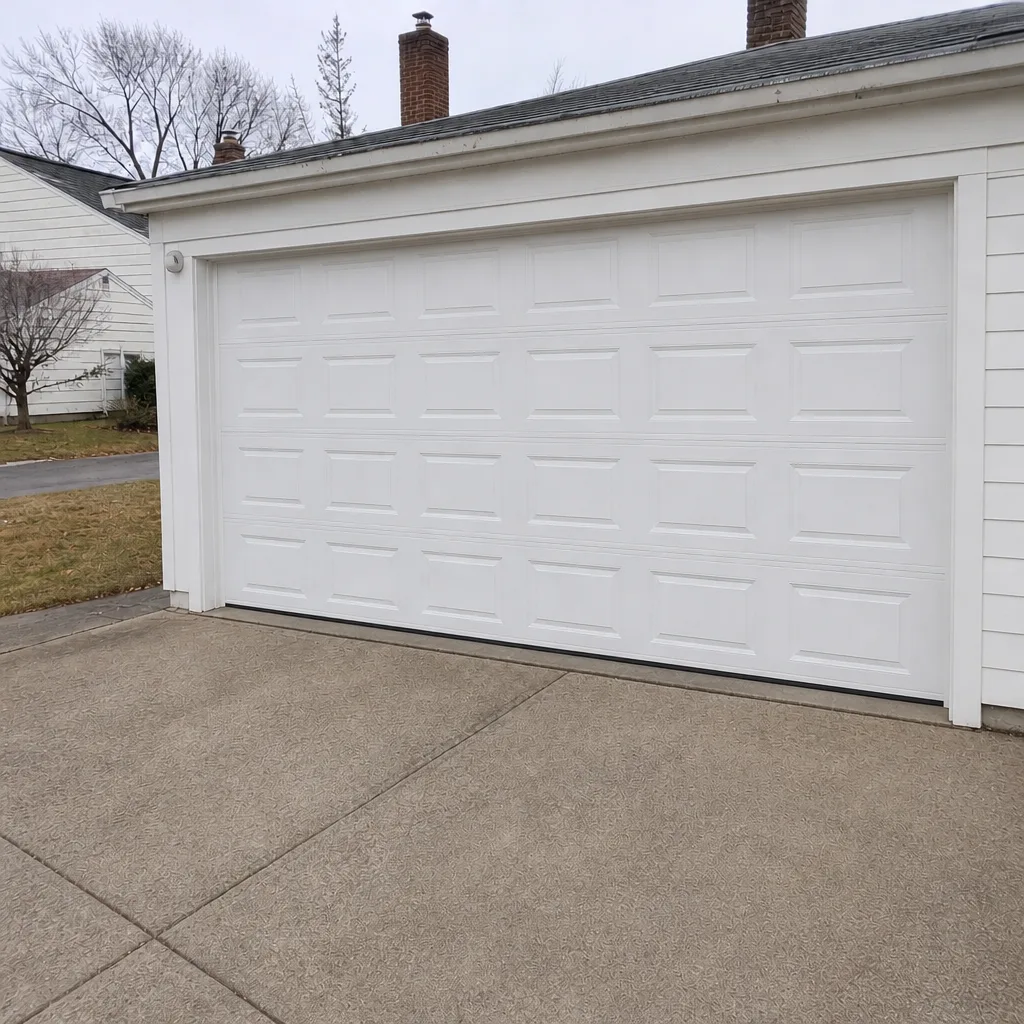 After
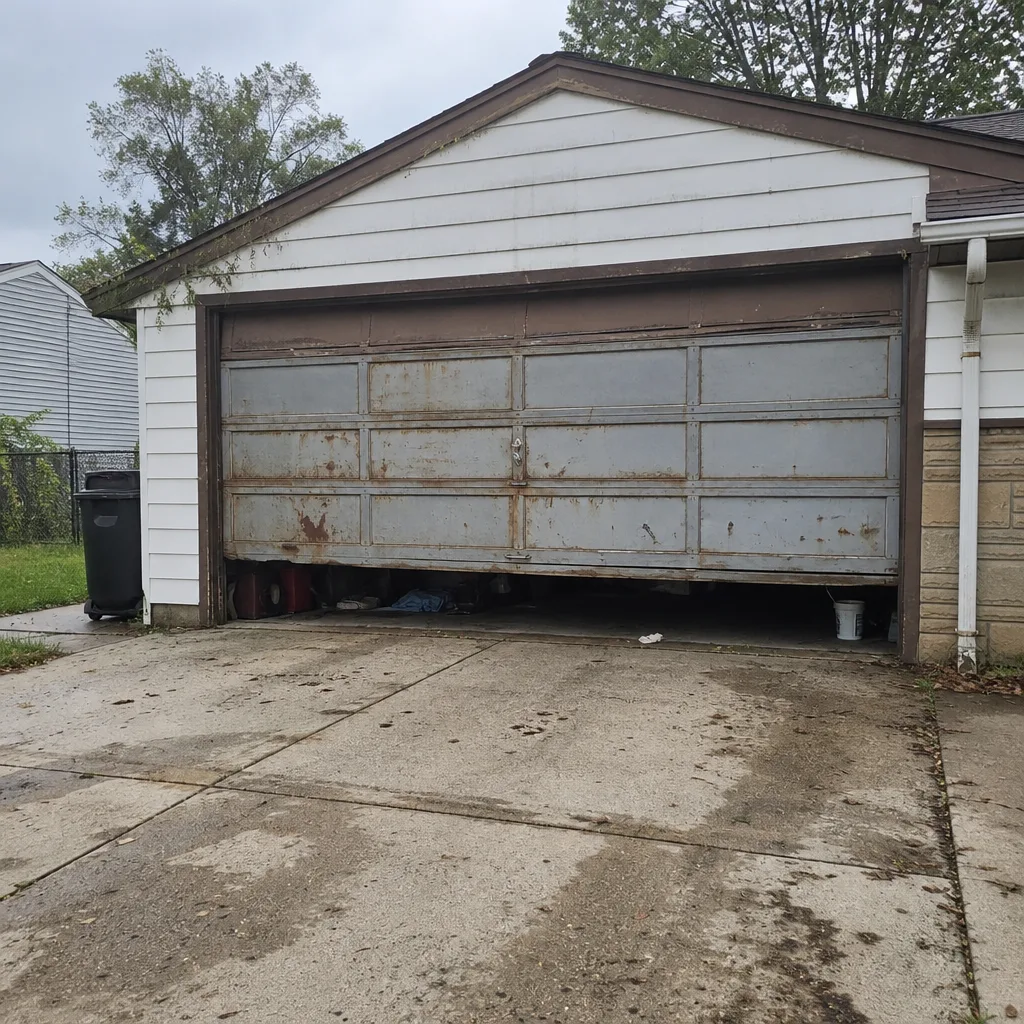 Before
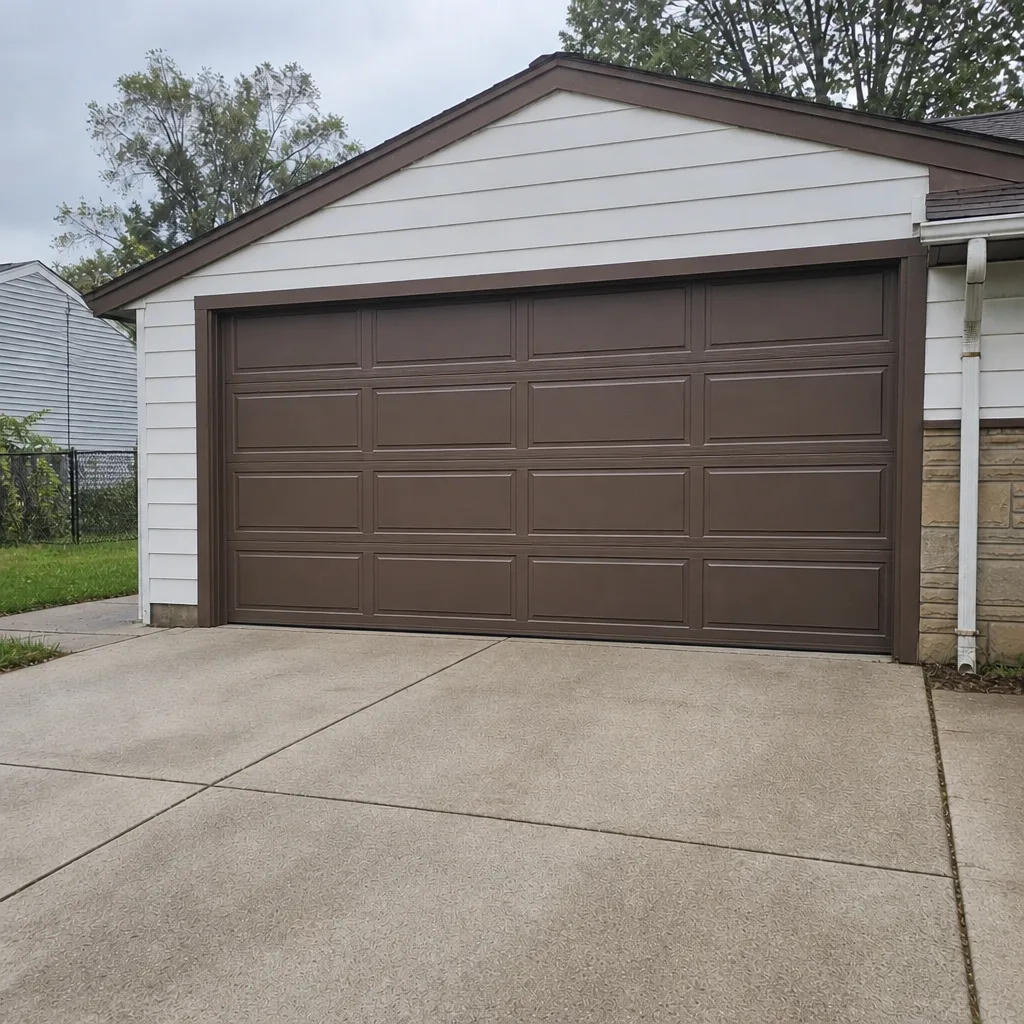 After
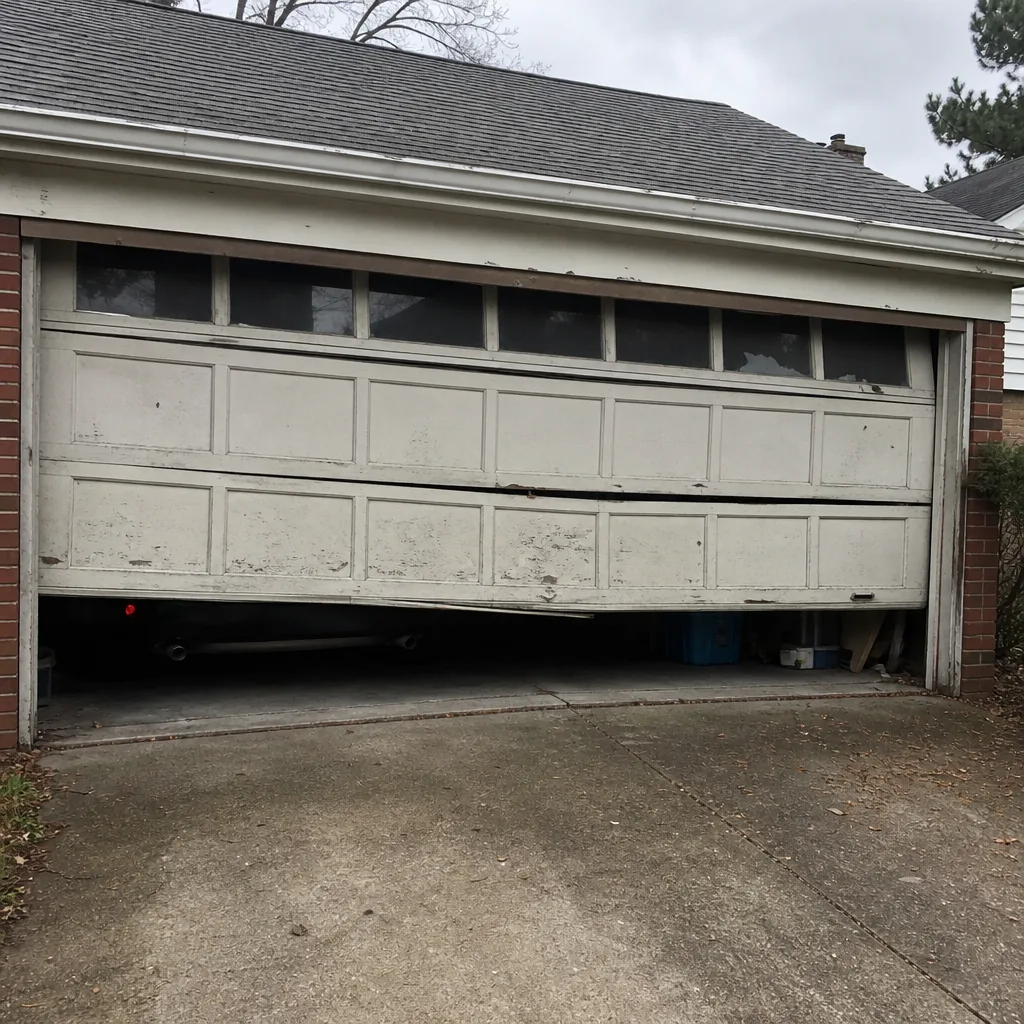 Before
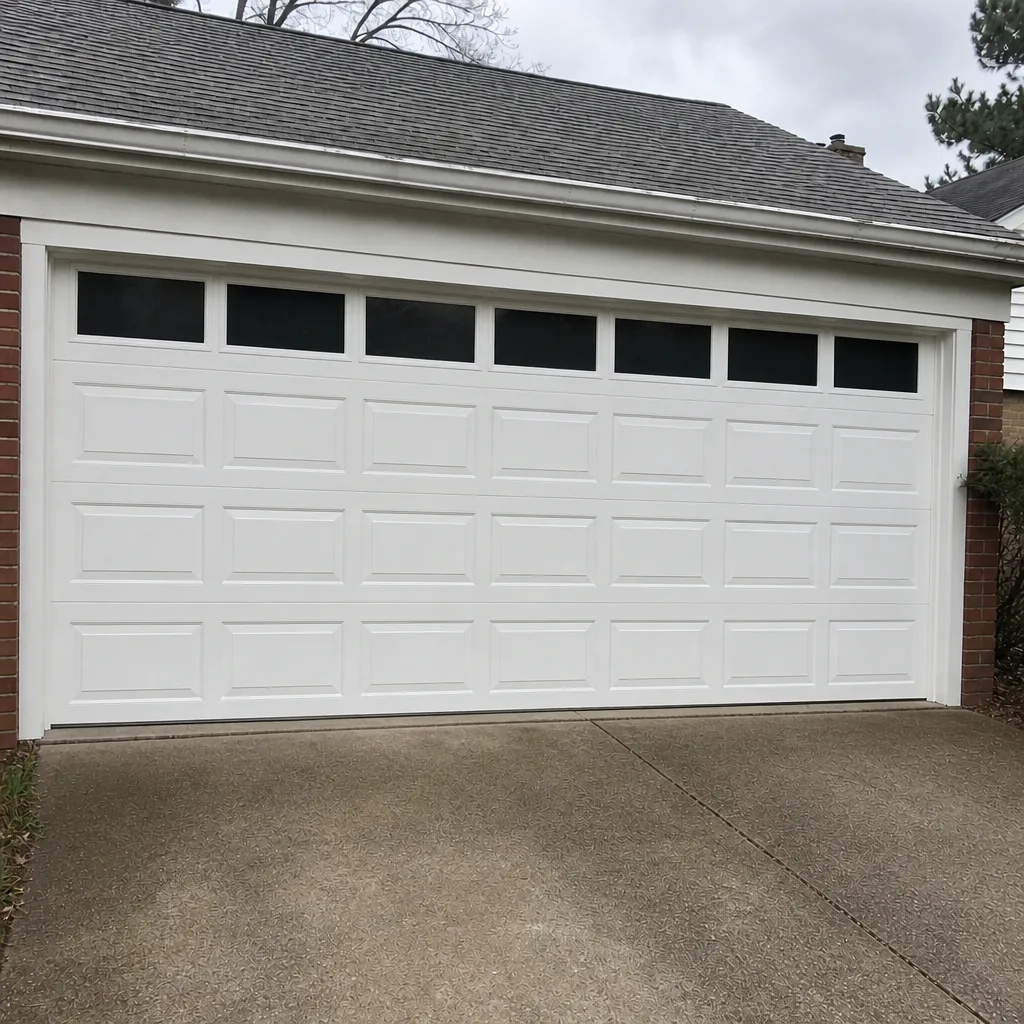 After
When to Call a Professional
Some garage door questions are a two-minute phone call, and some need a technician on site. Call us if any of the following is true: the door won’t open or close and you can’t find the cause; a spring is broken or you hear a loud snap from the tracks; the opener runs but the door doesn’t move; the door is crooked, binding, or off its track; the safety eyes are misaligned and you can’t get them to hold; or you’re planning a replacement and want to know whether a permit, a fire rating, or an HOA restriction applies before you order. We work on LiftMaster, Chamberlain, Genie, Craftsman and the other brands on the market, and we handle the paperwork side as well as the mechanical side. Parma Garage Door Repair Pros offers free estimates in Parma – call (855) 658-4208. We’re open Sunday through Friday, 7am to 7pm, and closed Saturday. The price is quoted and agreed before any work starts, so there’s no surprise invoice at the end.
Frequently Asked Questions
Usually not, if you’re replacing a door with the same size door in the same opening and nothing structural changes. You do need a permit when the opening size changes, the header is altered or repaired, an opener is added where none existed, or a garage is converted. Confirm with the City of Parma building department before work starts, because the answer depends on your specific scope. Call (855) 658-4208 for a free estimate that covers the permit question alongside the door itself.
Yes. Ohio’s residential code requires a fire-rated separation between an attached garage and the living space, and the door leading from garage to house must carry the appropriate rating. If the overhead door itself is part of a required separation, it needs a fire-rated option and the manufacturer’s documentation. Ask your supplier which models carry the rating before you order. Call (855) 658-4208 for an exact quote.
The inspector tests opener safety reversal, photo-eye alignment, spring system anchoring, header integrity if structure was touched, and fire separation on an attached garage. The photo-eye check is the most common failure point, and the header check is where unpermitted structural changes get caught. The inspection happens after the work is done. Call (855) 658-4208 to schedule a free estimate.
It can slow a closing. An open or missing permit shows up in the title search and permit history, and a home inspector can catch structural changes that weren’t inspected. The fix is usually a retroactive permit and inspection, which can be slow and sometimes requires opening up finished work. Pull the permit history before you buy. Call (855) 658-4208 to talk through what a replacement involves.
Often yes. Emergency garage door service is part of what we do, and we schedule as fast as we can, but we don’t promise a specific response time. We’re open Sunday through Friday, 7am to 7pm, and closed Saturday. We work on LiftMaster, Chamberlain, Genie, Craftsman and every other brand we service. Call (855) 658-4208 and we’ll give you a free estimate.
No. The written estimate is the price, agreed before any work starts. If we find something the estimate didn’t cover, we talk to you before doing anything, so you won’t get an invoice bigger than the quote. Emergency service, spring repair, opener repair and installation all follow the same rule. Call (855) 658-4208 for an exact quote.
The Bottom Line
A straight door-for-door swap in Parma usually needs no permit. Anything that touches the structure, the wiring, or the opening size does. The fire rating applies to attached garages whether or not an inspector shows up, so the door’s documentation matters. HOA rules layer on top of city code and can reject a door the city would approve. The permit and inspection process is predictable if you ask the right questions before signing. And if you’re planning work, start with the permit question and work backwards to the door. Our technicians have up to 13 years of experience, we work on eight of the most widely installed brands, and we handle the paperwork side as well as the installation. Call (855) 658-4208 for a free estimate.
Written by the team at Parma Garage Door Repair Pros.