Last updated November 21, 2026
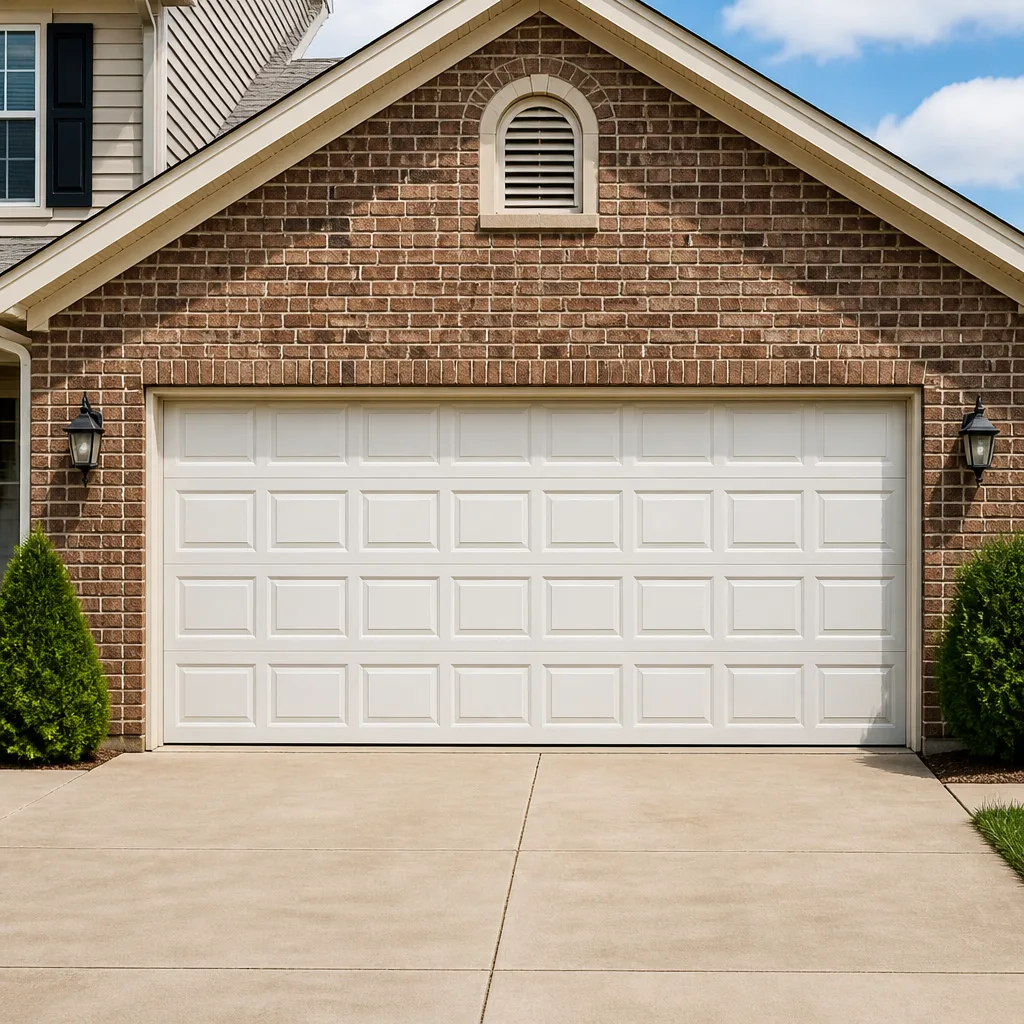 Raised-panel steel
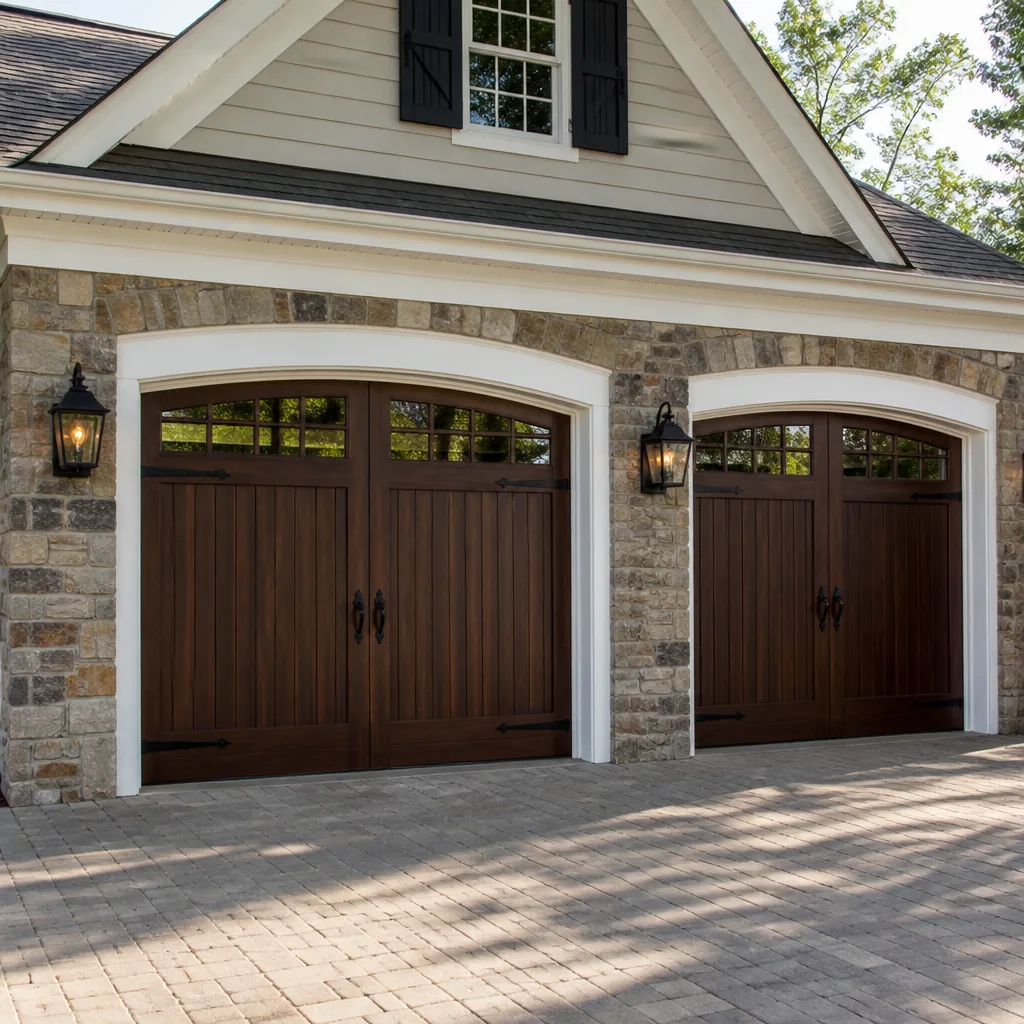 Carriage house
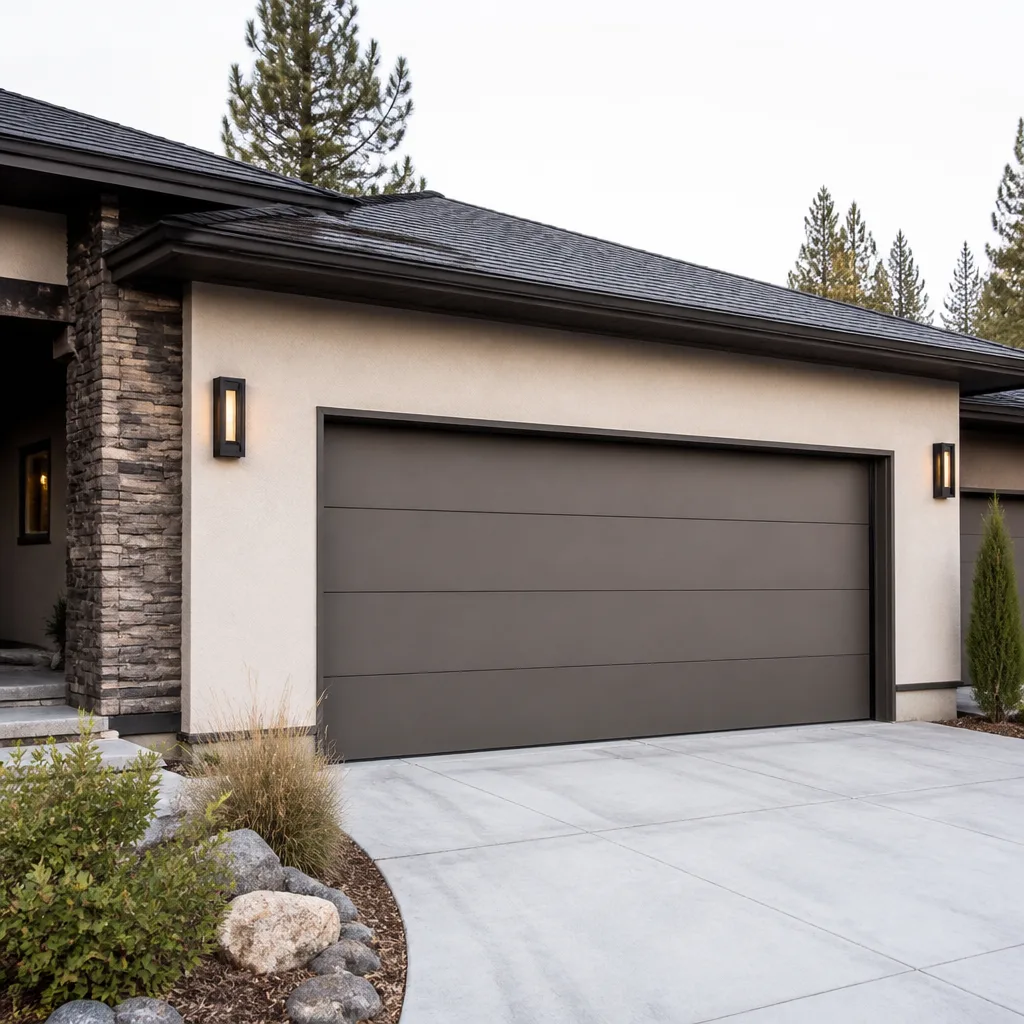 Modern flush
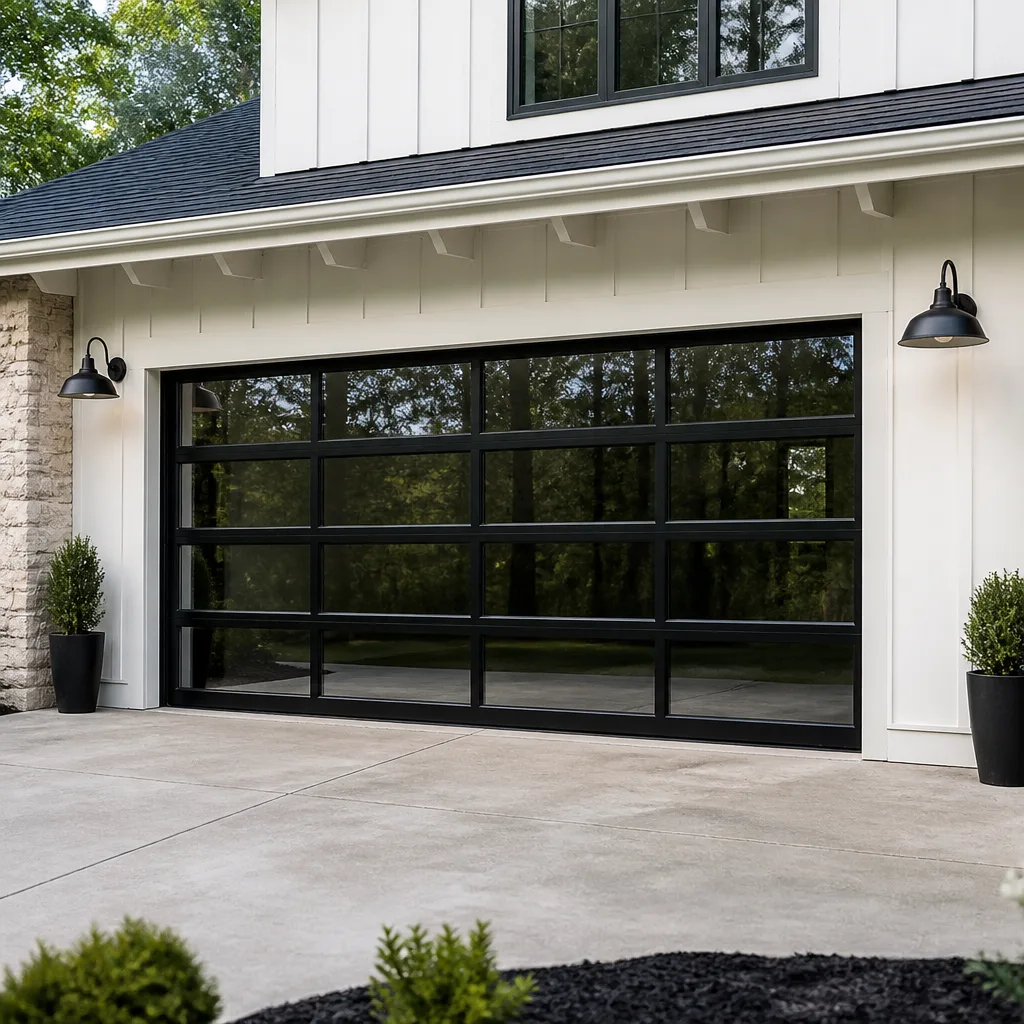 Full-view glass
 LiftMaster openers
 Chamberlain openers
Full 25-point door and opener safety check with every visit - springs, cables, rollers, tracks, and your LiftMaster or Chamberlain opener included
You get a price before we start. It does not change when the pro arrives.
Get your free estimateGarage Door Repair Maintenance Checklist for Parma Homeowners
Most maintenance checklists treat every garage door the same way. They tell you to lubricate the rollers, tighten the bolts, and call it a year. But a torsion spring system and an extension spring system fail in completely different ways, and the task that matters most on a torsion setup is the one almost nobody mentions: greasing the torsion shaft itself. Skip it, and the springs that should last well into their second decade can wear out years early. This guide is built around what’s actually hanging above the average Parma garage floor – what to check, when to check it, and what to leave alone. You’ll get a season-by-season checklist tuned to Northeast Ohio weather, and a clear line between the tasks you can safely handle and the ones that need a technician.
Quick Answer
A practical garage door maintenance checklist for a Parma home covers four things: a monthly safety check (balance, reversal, visual inspection), lubrication of moving parts including the torsion spring shaft, seasonal attention to weather seals and bottom seals that take a beating in wet winters, and an annual technician inspection of springs, cables, and hardware. Torsion and extension systems need different checks, so know which one you have before you start. The annual professional visit is the one task worth scheduling – spring and cable work is genuinely dangerous and belongs to a trained technician.
Styles & brands we work with
- Raised-panel steel
- Carriage house
- Modern flush
- Full-view glass
- LiftMaster openers
- Chamberlain openers
Table of Contents
- Know Your System: Torsion vs. Extension Springs
- The Four Monthly Checks You Can Safely Do Yourself
- Lubrication: Why the Spring Shaft Comes First
- Parma Corrosion Checkpoints: What Rusts First
- Weather Seals and Water Intrusion
- The Printable Seasonal Checklist for Parma
- The Annual Technician-Only Tasks
- Opener Maintenance by Brand
Know Your System: Torsion vs. Extension Springs
Before any checklist makes sense, you need to know what’s holding your door up. A torsion system has one or two springs mounted horizontally on a metal shaft above the door, running parallel to the wall. An extension system has springs running along the horizontal tracks on each side, stretching as the door closes. The two work on completely different mechanical principles, which means a checklist item that applies to one often doesn’t apply to the other. A generic list that treats them the same will steer you wrong.
Here’s how the checks differ:
- Torsion systems: Watch the spring for gaps or separation along its coils, listen for a sharp bang when the door operates, and inspect the shaft for rust and dryness. The shaft needs lubrication, and the spring itself usually doesn’t.
- Extension systems: Check the springs for stretching or sagging, look at the pulleys and safety cables that run through the spring center, and watch for worn spots where the spring meets the bracket.
- Both systems: Inspect cables for fraying, rollers for flat spots, and hinges for looseness or broken metal.
If you’re not sure which type you have, look up at the ceiling. Horizontal springs on a shaft means torsion. Springs running front to back along the side tracks means extension. If you’ve recently noticed a loud crack and the door won’t lift, stop and read our guide to garage door repair rather than trying to diagnose it yourself.
The Four Monthly Checks You Can Safely Do Yourself
These four tasks take about ten minutes and don’t require tools beyond a visual inspection and a good flashlight. Do them once a month, and you’ll catch most problems before they become repairs.
- Balance test. Disconnect the opener (pull the release handle), lift the door halfway by hand, and let go. A balanced door stays put. If it drifts up or slams down, the springs or counterweight need attention from a technician.
- Reversal test. Lay a roll of paper towels flat on the ground and close the door. The door should reverse on contact. If it doesn’t, the opener’s safety system needs adjustment – check the opener manual or call for help. Do not run this test by pushing the door down with your hands under it.
- Visual inspection. With a flashlight, look at the cables, springs, rollers, and hinges. You’re looking for frayed cable strands, gaps in spring coils, flat spots on rollers, and loose or bent hinges. Anyone can spot these. Fixing them is another matter.
- Sound check. Operate the door and listen. Grinding, scraping, or popping sounds point to a problem well before the door actually stops working. A door that’s getting noisier each month is telling you something.
A Parma homeowner who does these four checks monthly will spot most failures early. What you’re not doing in these checks is touching the springs, cables, or the bottom brackets that hold the cables under tension. Those are the jobs for the annual technician visit, and they’re covered later in this guide.
Lubrication: Why the Spring Shaft Comes First
Most guides tell you to lubricate the rollers and hinges. That’s a start, but it leaves out the most important item: the torsion spring shaft. On a torsion system, the shaft runs horizontally through the spring windings, and if it’s dry or rusting, the springs bind against it every time the door cycles. That binding accelerates wear on the spring coils. A torsion spring maintained this way can run closer to the eight-year mark. A dry shaft, over years, is one of the quiet reasons springs fail early. Skip the shaft, and the springs that should reach eight years or more start to wear out years sooner.
What to lubricate and how:
- Torsion spring shaft: A light coat of white lithium grease or a purpose-made garage door lubricant along the shaft. The spring coils themselves generally don’t need grease and often come coated from the factory – check the door manufacturer’s guidance.
- Hinges and rollers: Two or three drops of lubricant per hinge. On rollers, put a drop on the bearing, not on the roller wheel itself.
- Tracks: Do not grease the tracks. The rollers roll, they don’t slide. Grease in the tracks attracts dirt and can cause stalling.
- Cables: Never lubricate cables. Grease traps grit and can hide the fraying that signals a cable is about to fail.
Lubricate twice a year in Parma, and lean toward doing it as part of the seasonal checkpoints around the change of seasons. Lubrication around the spring shaft is a safe, DIY-friendly task. Fixing a broken spring is not – that’s a technician’s job, and we cover it under the annual tasks further down.
Parma Corrosion Checkpoints: What Rusts First
Northeast Ohio’s wet winters and freeze-thaw cycles are hard on garage door hardware. Road salt tracked into the garage, humid air, and meltwater from cars all contribute. The parts that tend to rust first are consistent across the Parma area, and they’re also the parts most checklists ignore.
- The bottom seal and bottom bracket. This is the part of the door that sits closest to the wet floor. The metal bracket holding the seal to the door corrodes faster than anything else on the door. Check for bubbling paint, red-orange rust, or the seal pulling loose from the bracket.
- Cable drums. The drums at each end of the torsion shaft collect moisture and rust, especially when the drum sits low and the spring above it stays dry. A rusting drum can slip on the shaft and cause slack cable – one of the more dangerous failure modes.
- Hinges at the corners. Hinges collect condensation and hold water in the joint. A rusted hinge loses strength and can bend the wrong way over time.
- Roller stems. The metal stem that runs through each roller rusts and can seize. A seized roller drags and strains the opener.
If you spot corrosion early, a light cleaning and a coat of lubricant can slow it down. If bolts are seized or the bottom bracket shows heavy rust, don’t try to force it – that bracket holds tension from the cables. Have it replaced as part of the annual service call. Left alone, corrosion in the bottom bracket and cable drums is one of the more common reasons a Parma door fails partway through a winter.
Weather Seals and Water Intrusion
A weather seal isn’t just about comfort. A deteriorated bottom seal lets meltwater wick under the door and into an attached garage, where it can reach the sill plate and the bottom of any wall that meets the concrete slab. That’s a structural concern that goes well beyond a cold draft. For a Parma homeowner with an attached garage, the seal is one of the more important items on this entire checklist.
How to spot a failing weather seal:
- Gaps at the sides. With the door fully closed, look along each side. If you can see light between the door and the frame, the side seal has compressed or split.
- Bottom seal flattened or torn. The rubber flap at the bottom of the door should still flex when you press it. If it’s brittle, cracked, or leaving a gap in the middle, it needs replacement.
- Wetness after rain. A thin line of water along the inside edge of the garage door after a heavy rain is a sign the bottom seal has lost contact with the concrete.
- Daylight under the door. Look from inside the garage. If you can see a strip of daylight under the closed door, the seal is no longer effective.
Bottom seals are one of the more straightforward replacements, but the bracket holding them can be rusted into place, and prying at it with the door under spring tension is a good way to get hurt. Have the tech check the seal at the same annual visit. If it’s the door itself that’s failing – large dents, panel damage, sagging sections – that’s a sign the door is nearing the end of its service life. Our page on garage door installation walks through what a replacement decision looks like.
The Printable Seasonal Checklist for Parma
Parma’s four seasons put different stresses on a garage door, and a checklist that ignores the calendar misses what matters most. Use this as a printable table. Each column is a season, and the items repeat across the year in the pattern below.
| Task | Spring | Summer | Fall | Winter |
|---|---|---|---|---|
| Balance test (door stays put halfway) | ✔ monthly | ✔ monthly | ✔ monthly | ✔ monthly |
| Reversal test (paper towel test) | ✔ monthly | ✔ monthly | ✔ monthly | ✔ monthly |
| Visual inspection of cables, springs, hinges | ✔ monthly | ✔ monthly | ✔ monthly | ✔ monthly |
| Sound check | ✔ monthly | ✔ monthly | ✔ monthly | ✔ monthly |
| Lubricate spring shaft, hinges, rollers | ✔ | ✔ | ||
| Inspect and clear weather seal of salt residue | ✔ | ✔ | ||
| Check bottom seal and bottom bracket for rust | ✔ | ✔ | ✔ | |
| Clear the bottom threshold of leaves and grit | ✔ | ✔ | ✔ | |
| Check cable drums for rust | ✔ | ✔ | ||
| Annual technician inspection | ✔ preferred | ✔ |
Two notes on the seasonal pattern. First, spring and fall are the natural twin checkpoints in Parma because those are the seasons when the door transitions between cold and heat, which is when most deterioration shows up. Second, winter is the time to watch your bottom seal. Road salt and meltwater sit under the door for months, and any gap you didn’t fix in the fall will let water in by January. The single best time to schedule the annual technician visit is the fall, before the wet season gets going.
The Annual Technician-Only Tasks
Some garage door tasks belong to a technician, full stop. The two most important are spring work and cable work, and both run under high tension. A torsion spring can store enough energy to cause serious injury if it releases unexpectedly, and a cable under tension can snap with a whip effect. Even experienced homeowners shouldn’t try to wind, unwind, adjust, or replace a spring or cable themselves. That’s the honest line on this trade.
What the annual technician visit should cover:
- Spring inspection and measurement. A technician measures spring wire diameter, inside diameter, and coil count, and confirms whether the spring is still holding its correct tension. Springs don’t last forever, and the technician can tell you when yours is nearing replacement.
- Cable inspection under load. Cables fray invisibly from the outside in. A technician checks for stretched or worn cable and replaces anything that’s compromised.
- Bottom bracket and drum check. These are the two parts most affected by Parma’s wet winters. Both hold major tension and belong only to a trained technician.
- Roller and hinge replacement. Worn rollers strain the opener. Hinge replacement is often quick, but the hinge carries tension in the door’s articulation, so it’s a technician item too.
- Opener force adjustment. The safety reversal and force limits need to be verified against the manufacturer’s specifications. This is routine work for anyone familiar with the opener brand.
- Weather seal replacement where needed. Bottom seal and side seals can be replaced during the same visit as other service.
Schedule your annual visit for the fall, before the wet season gets going. If you’re noticing unusual noise or a slowing door before then, our team at Parma Garage Door Repair Pros can come out and give it a look – the price for any work is quoted and agreed before it starts.
Opener Maintenance by Brand
Routine maintenance on the opener itself is mostly about the door it drives, but each major brand has a small set of things worth knowing. We work on LiftMaster, Chamberlain, Genie, and Craftsman units – including modern smart and Wi-Fi-enabled models – and the differences matter.
- LiftMaster and Chamberlain units (both share parts and design lineage) use a safety reverse system that responds to force. If your door is reversing on the way down, that system is tripping. Recalibrating is often a matter of adjusting the opener’s limits or the force settings.
- Genie openers often have a chain or belt drive, and the tension check is part of routine maintenance. A belt that’s too loose will sag and slap the rail. A chain that’s too tight will strain the opener motor.
- Craftsman openers are common in older Parma garages and use a fixed force setting that occasionally needs adjustment as the door ages. If it’s been a while since the opener was checked and the door is getting heavier, the opener might be working harder than it should.
- Raynor doors can be paired with most opener brands, so the maintenance list depends on which opener is attached. The door is a separate system from the opener, and both need attention.
If the opener is running but the door isn’t moving, or the door moves but the opener’s lights or Wi-Fi are misbehaving, the fix is usually in the opener. Our team handles garage door opener repair as its own service line, so we aren’t tracking down brand quirks on the fly.
Common Mistakes to Avoid
- Treating torsion and extension springs the same. Lubricating an extension spring like a torsion one, or checking for gaps on a spring that doesn’t have coils you can see, wastes time and can damage the spring. Know your system before you start.
- Greasing the tracks. Grease attracts grit and turns the tracks into a paste-filled rail. The rollers roll, they don’t slide – leave the tracks dry.
- Oiling the cables. Oiling hides fraying rather than preventing it. Watch the cables for broken strands; don’t coat them.
- Skipping the spring shaft. The torsion spring shaft is the single most under-lubricated part in most Parma garages. If you lubricate anything, make it the shaft.
- Trying to adjust, wind, or replace a spring or cable. These parts run under high tension. A sudden release can cause serious injury. This is the one maintenance category that belongs entirely to a trained technician.
- Ignoring rust on the bottom bracket in fall. That rust spreads over winter. Winter is when the water intrusion into your attached garage does the most damage.
- Skipping the annual technician visit because the door “still works.” A door that works but is out of balance is quietly wearing down the opener and the springs. The annual visit catches what a monthly visual check misses.
Our technicians have up to 13 years of experience, and we’ve seen what all seven of these mistakes cost homeowners over time. If you’re not sure whether your door has any of them, call us.
See the difference
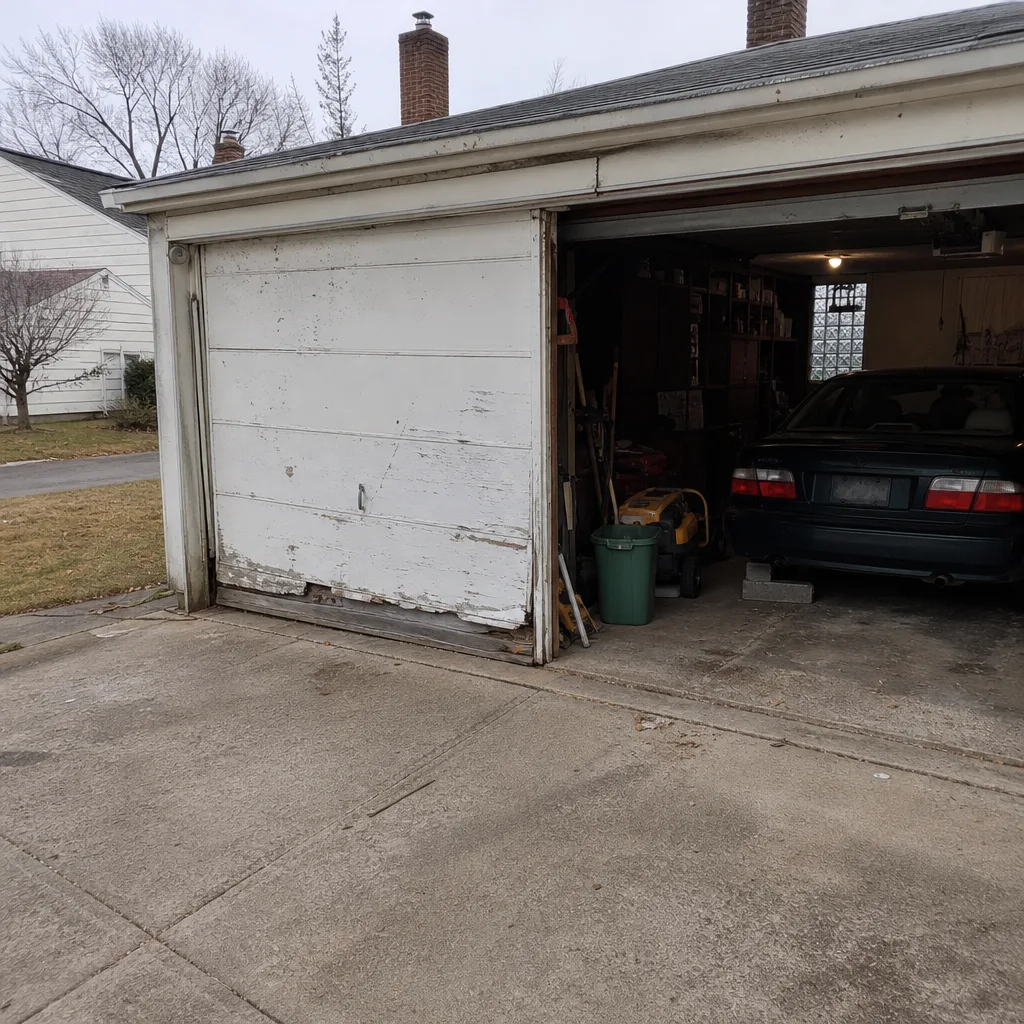 Before
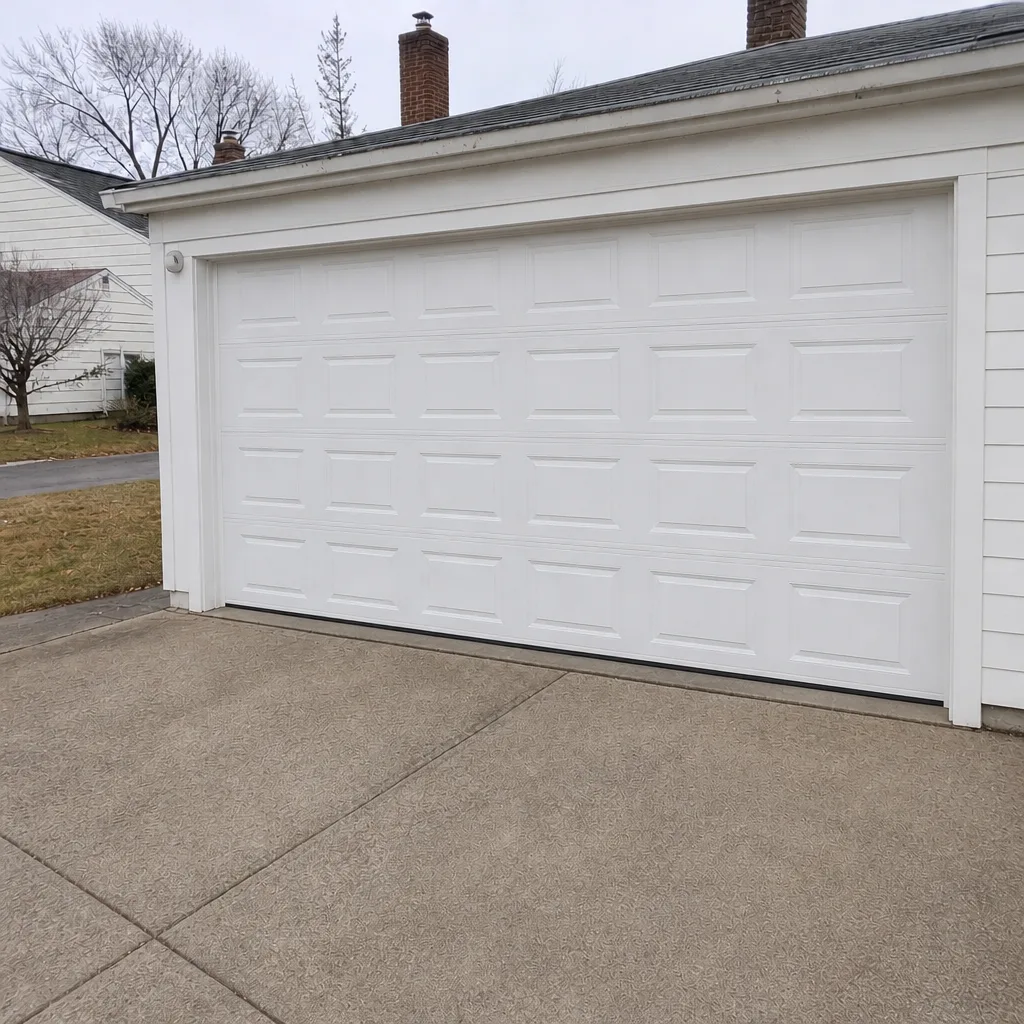 After
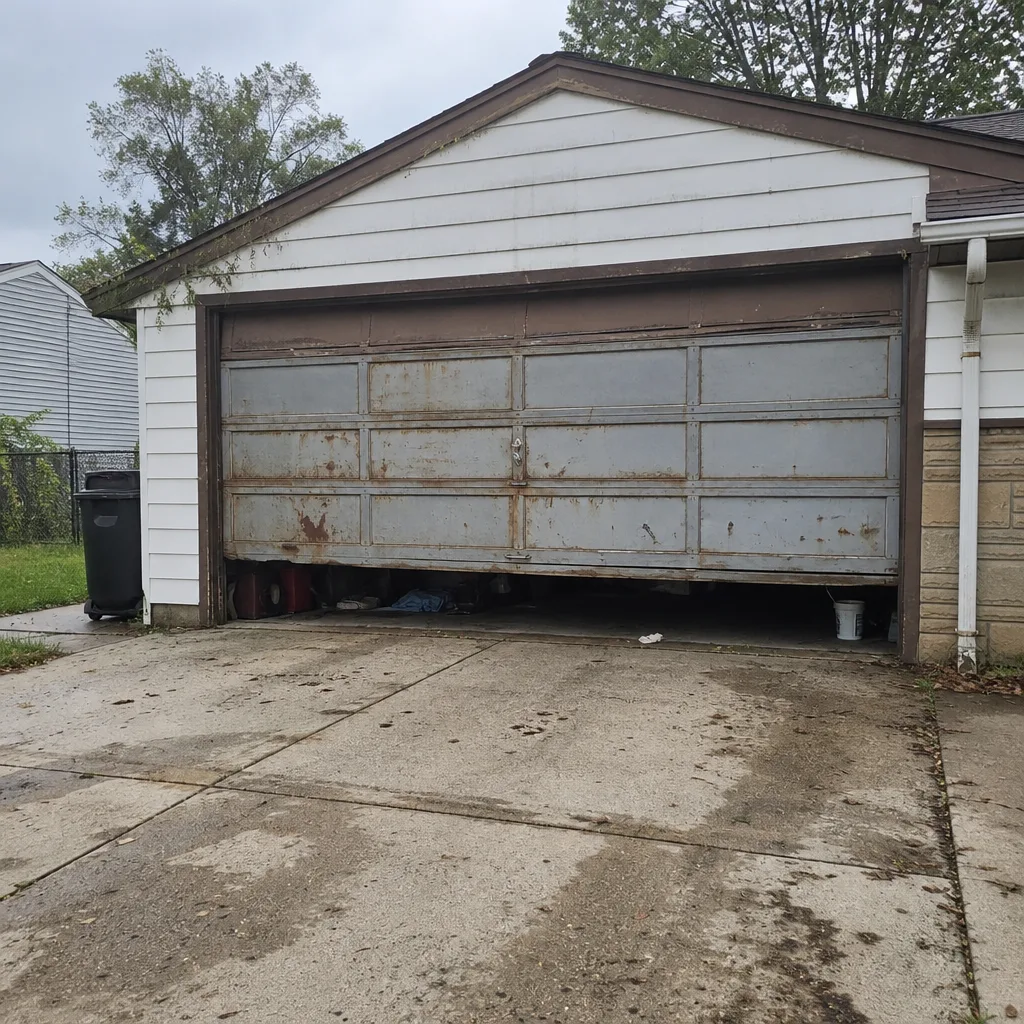 Before
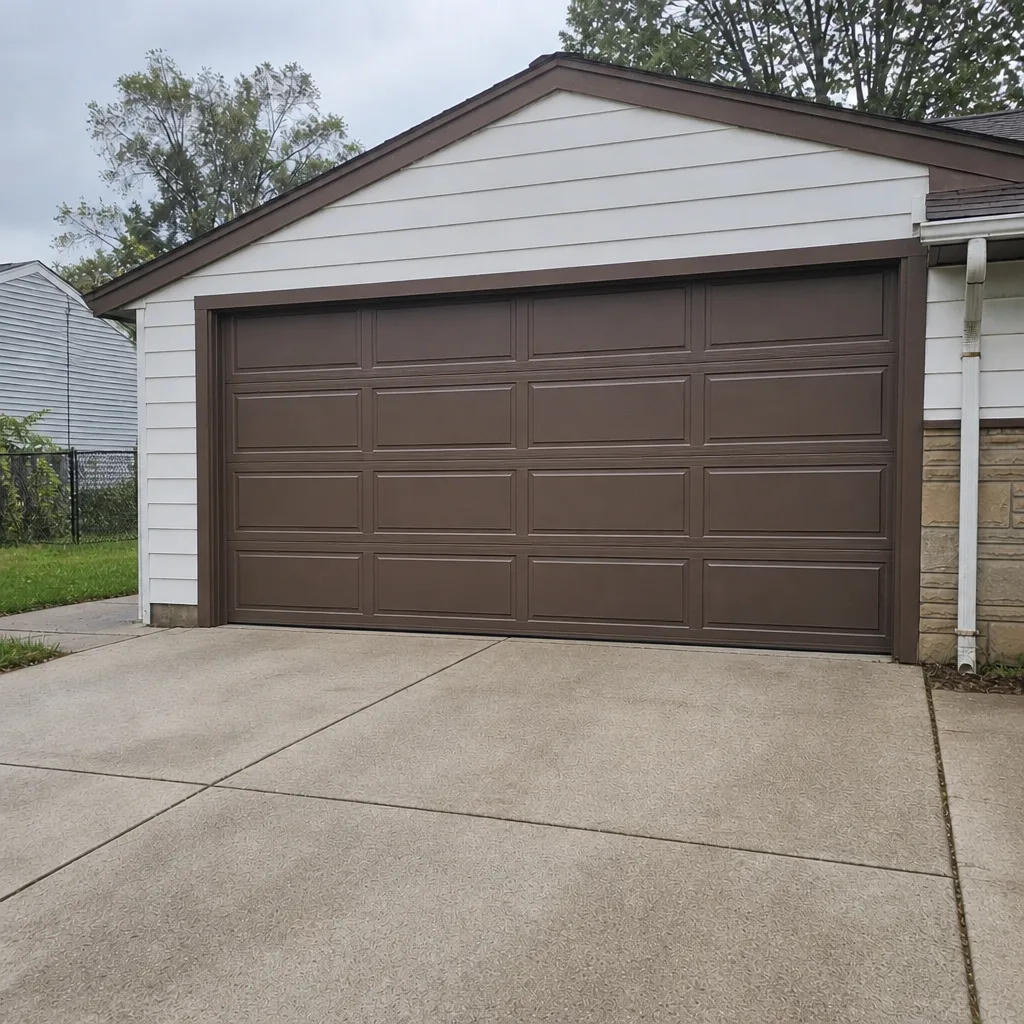 After
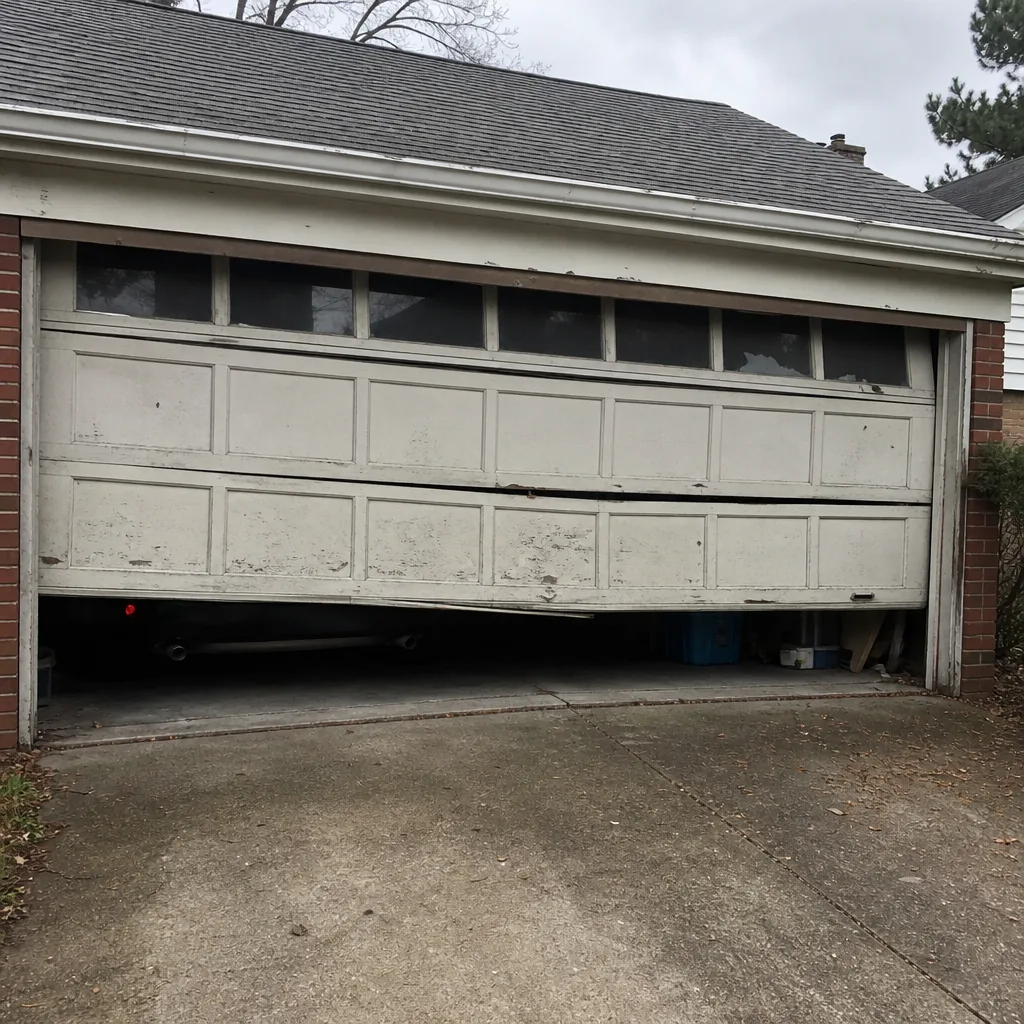 Before
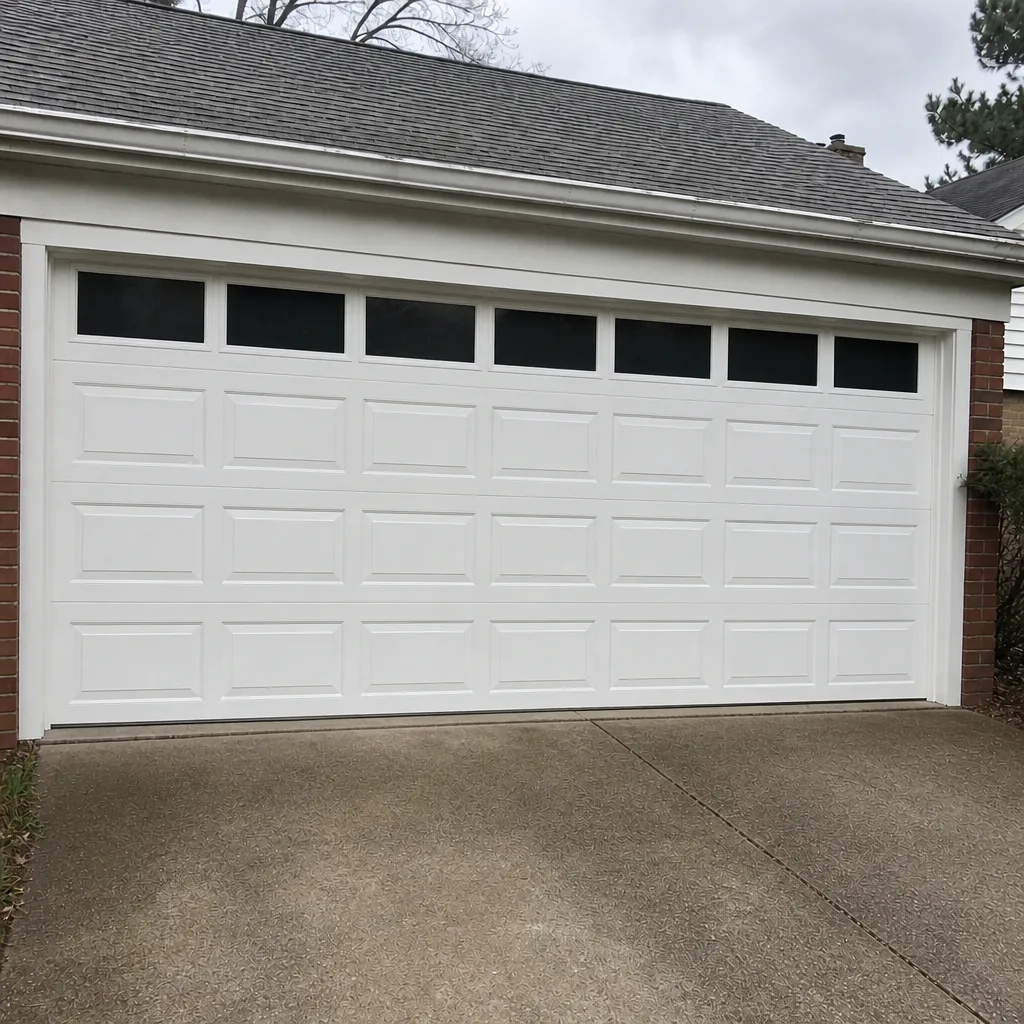 After
When to Call a Professional
Call a professional the moment you notice any of the following: a spring has visibly broken (a gap in the coils or a bang you heard and the door won’t lift), the door is unbalanced (drifts up or down when released halfway), a cable has snapped or shows broken strands, the bottom bracket is heavily rusted or damaged, or the door has come off its track. Call us for the annual inspection if you haven’t had one in more than a year. Spring and cable work is not a DIY job – the tension in these parts can release without warning and cause serious injury. Parma Garage Door Repair Pros offers free estimates in Parma – call (855) 658-4208. The price for any work is quoted and agreed before it starts.
Frequently Asked Questions
Once a year for the technician inspection, plus monthly for the four safe checks (balance, reversal, visual, sound). Schedule the annual visit in the fall, before the wet season puts the most stress on seals and brackets. A door that’s used heavily – say, more than four cycles a day – benefits from a second inspection midway through the year. If you’re not sure when you last had one, book it now. Call (855) 658-4208 for a free estimate.
You can safely lubricate the spring shaft on a torsion system. You should not lubricate the spring coils themselves unless the manufacturer specifies it, and you should never try to adjust, wind, or replace a spring. The shaft is a maintenance item; the spring itself is a technician job. If your spring looks rusty, dry, or shows gaps in the coils, that’s a call to us, not a lubrication task. (855) 658-4208 – estimates are free.
Cold weather makes metal more brittle, and the added cycling stress of winter accelerates any wear that built up over the year. In Parma specifically, the freeze-thaw cycle and road salt tracked into the garage add corrosion to the mix. A spring that was already showing wear in fall is more likely to fail in the first cold stretch. A fall inspection is the best way to catch it before it breaks. Our team can check your springs and give you an honest read on what’s left – call (855) 658-4208.
Torsion and extension springs fail in different ways, so the checks aren’t interchangeable. Torsion springs are mounted horizontally on a shaft – you’re checking for gaps in the coils, shaft rust, and the way the drum sits on the shaft. Extension springs run along the side tracks – you’re checking for stretching, worn pulleys, and the safety cable that runs through the spring center. A one-size checklist treats them the same and misses the specific failure points of each. If you’re not sure which system you have, we can identify it during a service call.
Look for daylight under the closed door from inside the garage, a thin line of water along the inside edge of the door after rain, or a bottom seal that no longer flexes when you press it. Any of those means the seal needs replacement. In Parma’s wet winters, a failing seal lets water reach the sill plate and the base of any wall that meets the slab – that’s a structural concern, not just a cold draft. Our team replaces bottom seals and can check the bottom bracket for the rust that typically comes with the leak. Call (855) 658-4208 to book a free estimate.
Yes. The annual visit checks the door balance, spring tension, and cables, and the technician will also test the opener’s force and reverse settings against manufacturer specs. If you have a LiftMaster, Chamberlain, Genie, or Craftsman unit, we work on it. If the opener needs repair or replacement, that’s quoted and agreed before any work starts. Call (855) 658-4208 for an exact quote – estimates are free.
The Bottom Line
The maintenance checklist that matters for a Parma garage door is one built around what’s actually in the garage, not a generic list. That means: know whether your system is torsion or extension, lubricate the torsion spring shaft twice a year, watch the bottom seal and bottom bracket for the rust that Parma’s wet winters bring, and schedule the annual technician visit before the fall. The four monthly checks (balance, reversal, visual, sound) are yours to do. Springs, cables, and anything that carries tension belong to a technician. Use the printable seasonal checklist above as your baseline, and call us when the door tells you something’s wrong. The written quote is the price, and it’s agreed before any work starts.
Parma Garage Door Repair Pros handles the full arc of what a garage door needs – repair, opener repair, spring repair, and new installation. We work on equipment from LiftMaster, Chamberlain, Genie, Clopay, Amarr, Wayne Dalton, Craftsman, and Raynor. When the door won’t move, or when spring maintenance is overdue, call (855) 658-4208 for a free estimate.
Written by the team at Parma Garage Door Repair Pros.