Last updated November 21, 2026
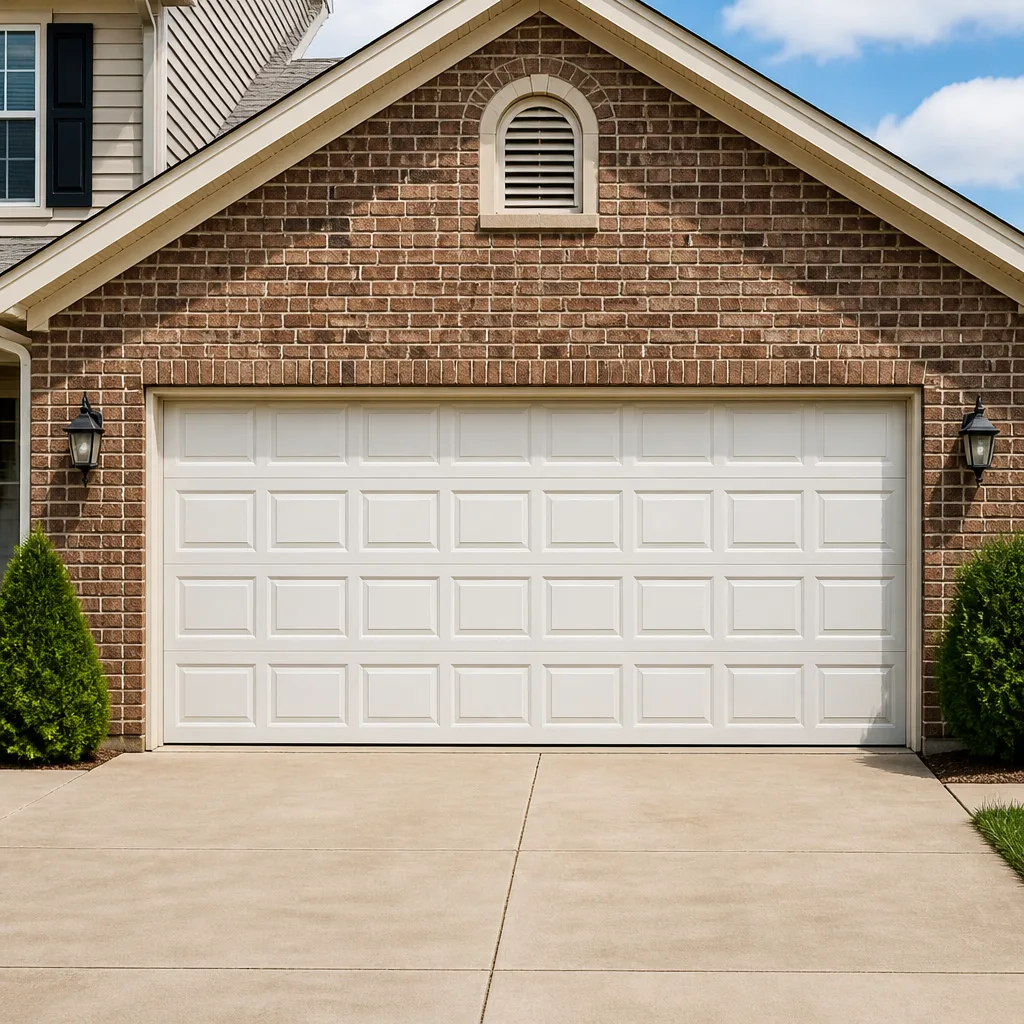 Raised-panel steel
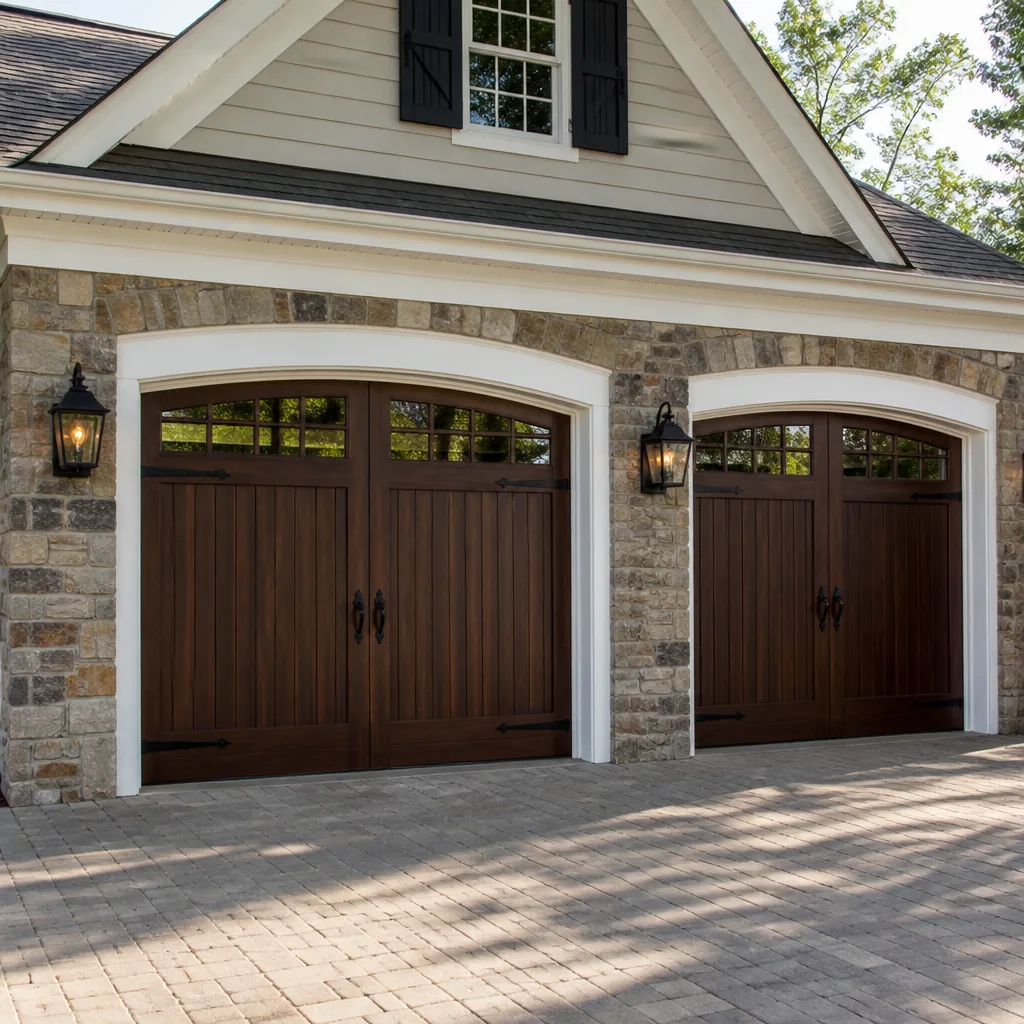 Carriage house
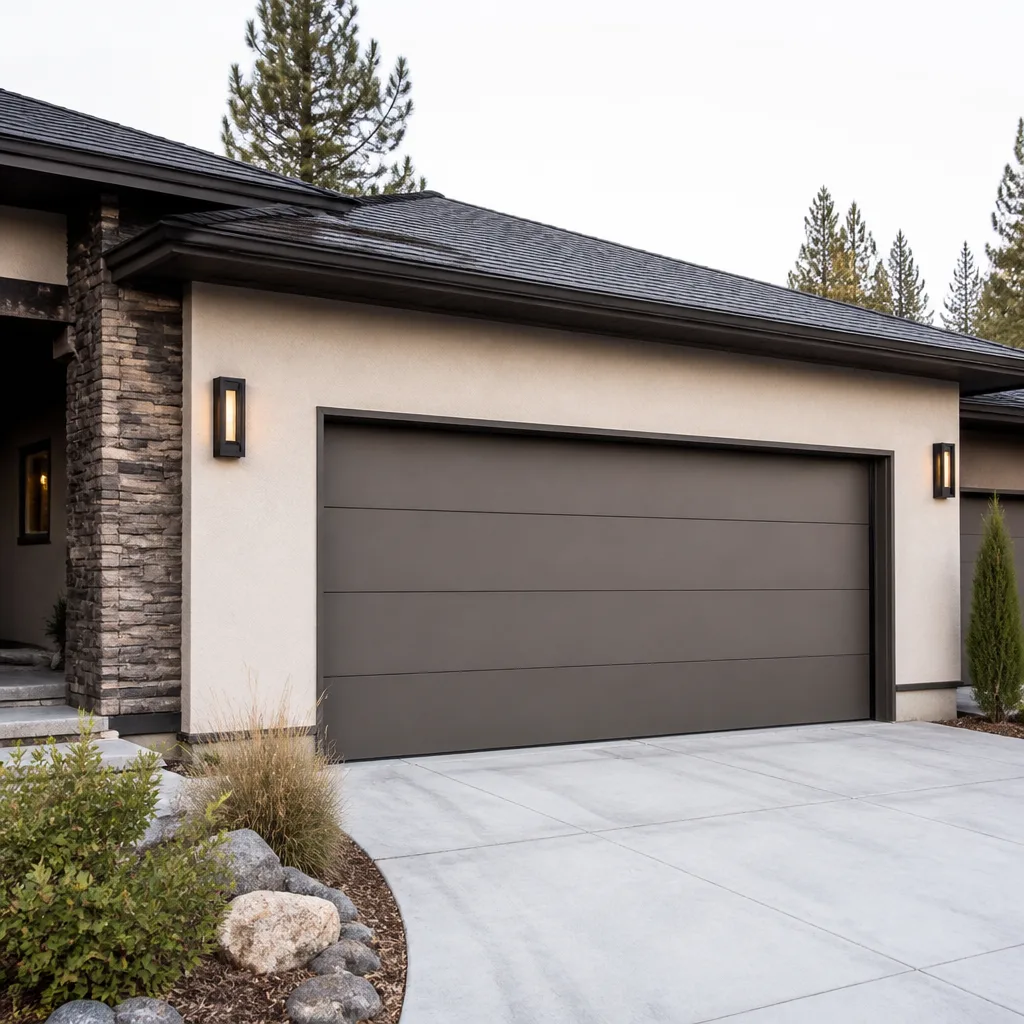 Modern flush
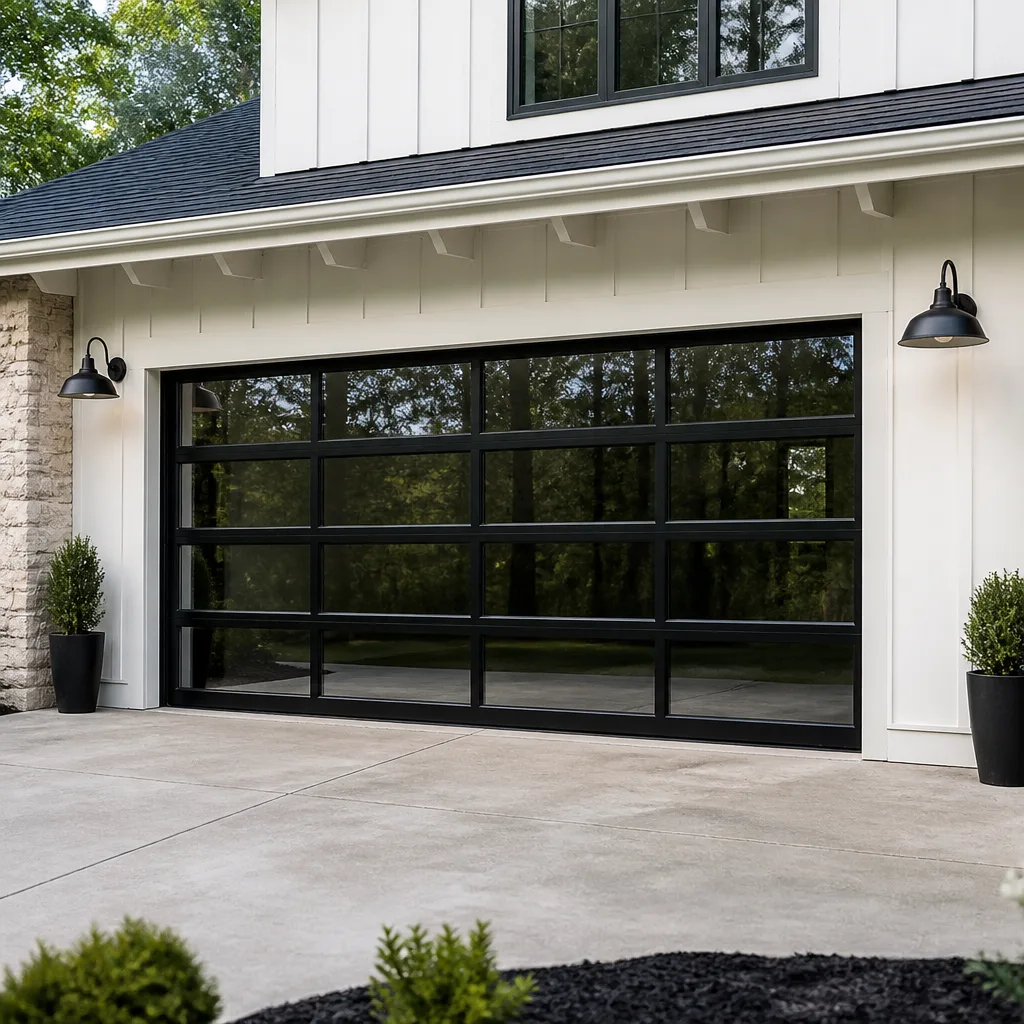 Full-view glass
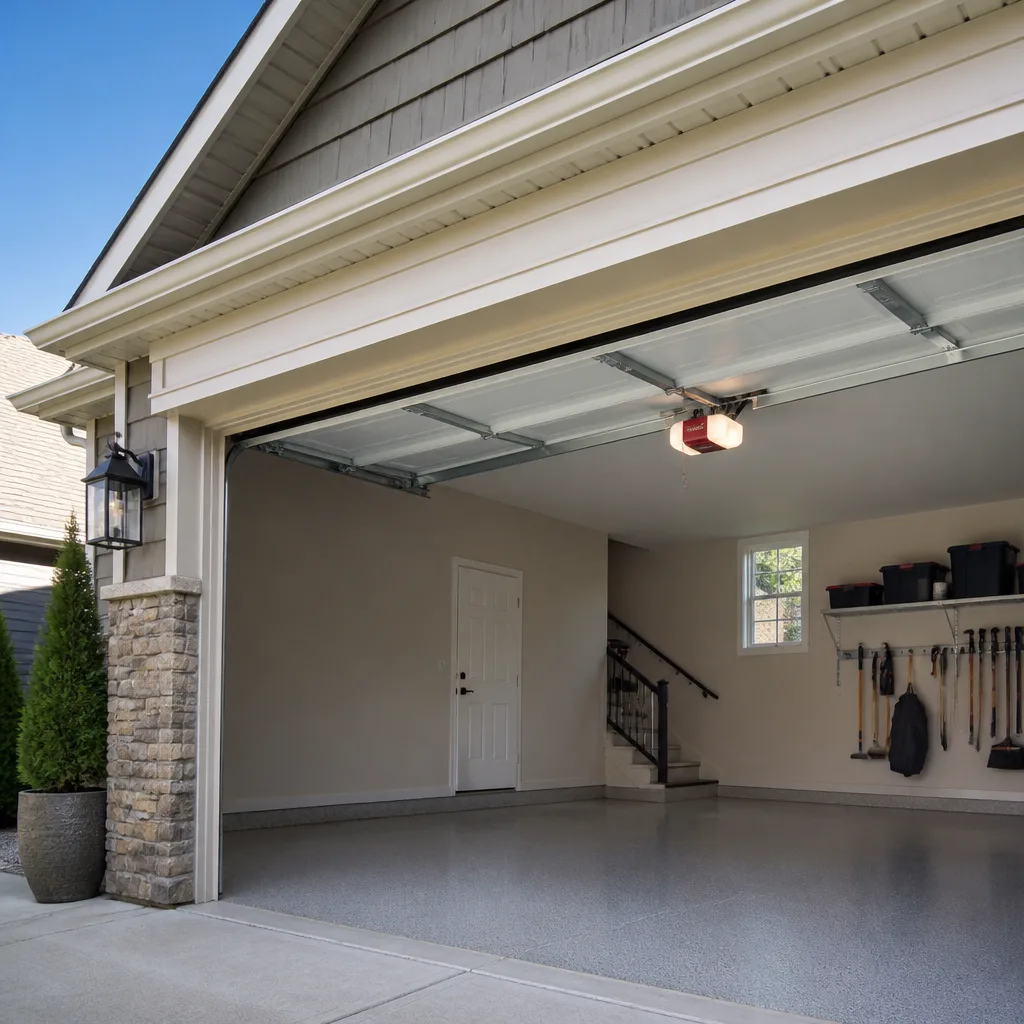 LiftMaster openers
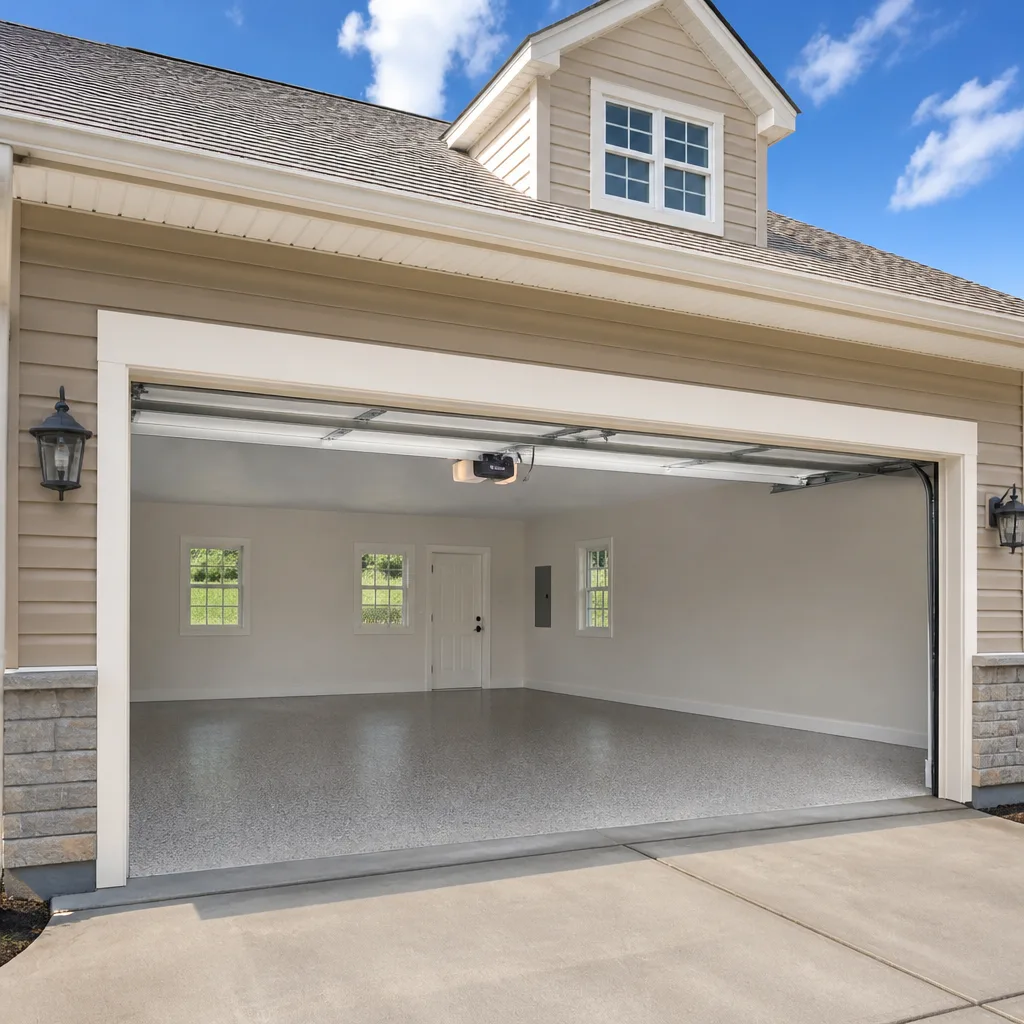 Chamberlain openers
Full 25-point door and opener safety check with every visit - springs, cables, rollers, tracks, and your LiftMaster or Chamberlain opener included
You get a price before we start. It does not change when the pro arrives.
Get your free estimateSeasonal Garage Door Care for Parma: Year-Round Homeowner’s Guide
Most homeowners here treat garage door care as a fall ritual: rake the leaves, swap the weatherstripping, and forget the door until spring. That’s the wrong calendar. In Parma, the door takes its hardest hits in late February and early March, not in January. By then, months of repeated freeze-thaw cycling have already worked over the bottom seal, stressed the cable drums, and shrunk cold steel springs through their worst thermal range. The coldest single day isn’t what breaks a door. It’s the fiftieth thaw. This guide maps Parma’s four genuinely different stress cycles onto a month-by-month plan, so you’re preventing damage instead of answering for it.
Quick Answer
Seasonal garage door care in Parma means matching maintenance to four distinct local stress cycles: fall (seal and cable prep before the first freeze), winter (managing frozen doors without forcing the opener), spring (post-winter rust, water damage, and force recalibration), and summer (heat warping and opener thermal cutouts on south- and west-facing doors). The single highest-value habit is inspecting and lubricating moving hardware before each seasonal transition, not once a year in autumn.
Styles & brands we work with
- Raised-panel steel
- Carriage house
- Modern flush
- Full-view glass
- LiftMaster openers
- Chamberlain openers
Table of Contents
- Why Parma’s Climate Creates Four Stress Cycles, Not One
- Fall Prep: What Actually Matters Before the First Freeze
- Winter: What to Do (and Never Do) When a Door Freezes Shut
- Spring: Post-Winter Inspection Priorities
- Summer: Heat Problems on South- and West-Facing Doors
- Month-by-Month Care Calendar for Parma
- Where Safe Homeowner Care Ends
- Common Mistakes to Avoid
- When to Call a Professional
- Frequently Asked Questions
Why Parma’s Climate Creates Four Stress Cycles, Not One
Parma sits in the cold end of Ohio’s continental climate, which means real winters and real summers, with roughly the same number of days below freezing as above 80 degrees over a year. Add Lake Erie’s influence to the north, and you get something specific: freeze-thaw cycles that repeat far more often than the temperature alone suggests. A January cold snap is stable. The danger window is the stretch where daytime temperatures climb above freezing and overnight lows plunge back down, sometimes for days in a row. Every one of those cycles pushes moisture into a gap, then freezes it there.
That rhythm drives four distinct failure patterns on a garage door, and they don’t overlap evenly:
- Fall: cables and drums sitting at their tightest as metal contracts, plus a bottom seal that needs to be watertight before ground moisture freezes into it.
- Winter: the frozen seam between door and floor, ice buildup in tracks, and springs at their most contracted and most brittle.
- Spring: rust bloom on hinges and rollers, water infiltration at the bottom panel, and an opener that was tuned for cold weather now pushing a much freer door.
- Summer: thermal expansion on steel panels, adhesive failure on weatherstripping, and opener motors hitting their thermal cutout after repeated cycles in direct sun.
Treating all of it as “fall weatherization” means you’re always one season behind. A door prepped in October is unmaintained by March. Each cycle has its own tasks, its own inspection points, and its own warning signs. We work on the full range of doors and openers installed across Parma, and the pattern holds whether we’re looking at a steel Clopay door, a Wayne Dalton, an Amarr, or an older Craftsman opener. The hardware differs. The seasonal physics don’t.
Parma’s housing stock matters here too. The city’s mix of post-war ranches, brick bungalows, and split-levels means a lot of older single-car and double-car doors with original tracks, hinges, and weatherstripping. Older hardware is more sensitive to temperature swings than the modern sealed-bearing components on newer doors.
Fall Prep: What Actually Matters Before the First Freeze
Fall is when you set up the door to survive the winter that comes after it. Skip these tasks and you’re relying on luck through months of freeze-thaw cycling, and the failure point tends to surface weeks after the weather turns – when you’re in a hurry and the door won’t move. The tasks below run in order of importance for a Parma home.
- Inspect the bottom seal. Run a hand along the rubber or vinyl seal under the door with it closed. It should compress against the floor and seal all the way across, with no cracks, gaps, or tears. Replace it before the first hard freeze. A worn seal lets in cold air all winter, and once ice works into a gap it has no intention of leaving.
- Check cable tension. With the door closed, both cables should be taut and straight, sitting snugly in their drums on each side. Slack, fraying, or a cable riding off its drum is not something to fix at home. Cables sit under high tension and fail suddenly. Stop here and call a technician.
- Adjust opener sensitivity for cold weather. As the temperature drops, a steel door contracts and requires slightly more force to move. On most LiftMaster, Chamberlain, Genie, and Craftsman openers, you can raise the sensitivity within the manufacturer’s adjustment range. If the door reverses on its own as the air cools, this is the first setting to check – but only after confirming the door itself is balanced and free of binding.
- Lubricate the right parts. A light application of garage-door-specific lubricant on hinges, rollers, and the torsion spring coils reduces friction that worsens in cold. Don’t use grease on tracks, and don’t lubricate them at all – they stay clean and dry.
- Test the balance. Disconnect the opener (pull the release handle with the door closed), lift the door to about waist height, and let go. A properly balanced door should stay put or creep slowly. If it drops, the tension is wrong, and forcing it with the opener all winter accelerates spring and cable wear.
Do all five in the same afternoon and you’ll spend under an hour. The payoff isn’t just avoiding a repair. It’s not standing in a cold garage in January deciding whether to force a door open.
Winter: What to Do (and Never Do) When a Door Freezes Shut
When a door freezes to the floor, the wrong move is to hit the opener button and hold it. That’s the most expensive mistake we see in Parma in winter. The motor keeps pushing against a door that won’t move, and the force transfers down the mechanism to the weakest link – usually a cable drum or the spring, sometimes both. A frozen door that costs a few minutes to free can turn into a cable-and-spring repair if the opener is forced through it.
Here’s what to do instead:
- Release the opener. Pull the manual release handle, which disconnects the carriage from the operator, so the opener can’t fight the door.
- Break the ice seam gently. A plastic scraper, a plastic shovel edge, or a light tap with a rubber mallet along the bottom seam, not under the door. Avoid metal tools that scratch the seal or gouge the door’s finish.
- Move the door by hand. Once free, lift it manually to check it’s moving smoothly. If it binds anywhere in the travel, don’t reconnect the opener. Something else is going on.
- Melt remaining buildup if needed. Warm water along the seam, wiped dry afterward, is fine on steel doors. Skip any heat source that could warp weatherstripping or crack vinyl.
The bigger winter issue in Parma is the track. Ice and grit can build up in the track rollers, and a roller that skips or jams can pull the door out of alignment. Clear tracks with a brush and wipe them dry. Never lubricate the tracks themselves.
Winter is also the season when a spring at its coldest, most contracted point is most likely to snap. If you hear a loud bang from the garage with no other explanation, that’s usually a torsion spring letting go. Stop using the door and call for spring repair. Torsion and extension spring work is the most dangerous repair on any garage door, and it’s not a job for a handyman or a homeowner with a set of winding bars.
Spring: Post-Winter Inspection Priorities
Spring is where Parma homeowners find out what winter actually did. The goal in March and April is to catch the slow damage – rust, water infiltration, opening force drift – before it turns into a failure in June. Three priorities, in order.
Rust assessment on hardware
Run a hand or a small flashlight along every hinge, roller stem, and the bottom bracket. Small rust spots are common and usually cosmetic. Rust that’s flaking, rust around roller bearings, or rust near the bottom corner of the door is worth a closer look. Hinges and rollers can be replaced individually as rust develops. A bottom bracket or spring anchor point showing rust, however, needs a professional assessment, because those carry load.
Water damage at the bottom panel
The bottom panel is where water sits and where freeze-thaw cycling does the most damage. On steel doors, look for bubbling paint, rust along the bottom edge, and separation between the panel’s outer skin and its core. On wood or wood-composite doors, look for soft spots, dark staining, or swelling. A bottom section that’s taking on water is a repair now, and eventually a replacement – and bottom sections are usually replaceable on their own without a whole new door on most steel models.
Recalibrating opener force settings
This is the task most homeowners skip. A door’s opener was likely adjusted during cold weather, when the door was tight and needed more force. Now, in spring warmth, the door expands and needs less. Force settings set too high put unnecessary stress on the operator and the door hardware, and they can prevent the opener’s safety reverse from working when it matters. Adjust force back down on a Genie, Chamberlain, or LiftMaster opener, and re-test the safety reverse with a solid object under the door each time.
If you can’t get the door to close evenly, if it stops partway, or if the opener force adjustment doesn’t hold, that’s a sign the door’s balance is off – which means the spring tension is off, which means a trained technician needs to look at it.
Summer: Heat Problems on South- and West-Facing Doors
Summer in Parma brings its own failure cycle, and the doors that suffer most are the ones facing south or west. Direct sun on a steel door can push the surface temperature well above the air temperature, and that does three things.
Panel warping and section distortion
Steel doors on a south or west wall absorb and radiate heat all afternoon. Over time, that repeated expansion can distort a panel’s alignment slightly, so the door binds at one edge or scrubs against the track in one spot. You might hear a light scrape in afternoon heat that disappears in the evening. If a single section is warping because of sun exposure, that’s common on steel doors in this part of Ohio. On a door that’s already aged, though, warping at the bottom panel sometimes means the panel is also water-damaged from winter – another reason spring inspection matters before summer heat settles in.
Opener thermal cutout
Most modern openers have a built-in thermal cutout that stops the motor if it overheats. On a hot day with a west-facing door that has run several cycles in quick succession, the opener can trip this cutoff. The motor isn’t broken. It’s overheated. Wait for it to cool, which the manufacturer usually specifies in the opener’s manual, and don’t repeatedly re-press the button, which can extend the overheating. If a Chamberlain or LiftMaster opener trips the cutout with normal use, the door’s balance is worth re-checking – an opener working harder than it should will overheat faster.
Weatherstripping adhesive failure
The rubber seal around the door’s frame (not the bottom seal) is usually held with adhesive. Heat and UV exposure dry that adhesive out, and by late summer it can peel at one corner or along one edge. Re-adhere the peeling section while it’s still attached; once it’s completely off, replacement is the simpler fix. Peeled weatherstripping lets in heat, insects, and rain, and it can snag the door as it opens.
If you notice any of the summer issues above and they don’t resolve on their own when the weather cools, the door’s balance, tracks, and opener alignment all need a look. That’s the kind of diagnostic we handle routinely, and it’s part of why brand familiarity matters – a Clopay door with a Genie opener has different alignment issues than a Wayne Dalton with a Craftsman.
Month-by-Month Care Calendar for Parma
Here’s the full plan, tied to what Parma weather usually looks like – cold, often sub-freezing winters, warm humid summers, and the freeze-thaw shoulder seasons that drive most damage. Use the placement of each task, not the date, to guide timing; the calendar shifts with the year.
| Time of Year | What’s Happening to Your Door | What to Do |
|---|---|---|
| September | Temps still warm. Long-term wear building up. | Inspect rollers for flat spots, tighten loose bolts, clean and lubricate hinges and springs. |
| October | First frosts approaching. Door still free-moving. | Replace worn bottom seal. Test balance. Adjust opener sensitivity up slightly for cold. Verify cables are taut. |
| November | First real cold snap. Hardware contracts. | Re-check door’s travel. Clear tracks of debris. Run a full cycle to confirm it closes flush. |
| December-February | Freeze-thaw cycles and prolonged cold. | Keep the door seam clear. If it freezes shut, release the opener and break the seam gently. Never force the opener. Watch for the tell-tale bang of a snapped spring. |
| March | Wettest, most freeze-thaw-heavy stretch. | Inspect bottom panel for water damage. Check every hinge, roller, and bracket for rust. Verify cables and drums. |
| April | Warm days, cool nights. Expansion begins. | Adjust opener force back down to spring setting. Re-test the safety reverse. Clean tracks and inspect weatherstripping around the frame. |
| May-June | Warm-season use. Motor loads increase. | Re-lubricate hinges and spring coils. Check weatherstripping adhesive, especially on south- and west-facing doors. Listen for scraping from sun-warped panels. |
| July-August | Peak heat. Direct sun exposure and thermal cutout risk. | Re-adhere loose weatherstripping. If the opener trips a thermal cutout with normal use, have the door’s balance checked. Verify the panel-to-panel seams haven’t shifted in afternoon heat. |
Two months in that calendar carry more weight than the rest: October and March. October is where you set the door up to survive. March is where you find out what it survived. Everything else is maintenance and adjustment. If you only commit to doing something twice a year, do those two.
The other habit worth building is real, not calendar-based attention. Once a month, walk out and listen to the garage door open and close. Does it sound the same as it did three weeks ago? Does it start smoothly, move at the same speed, and finish flush against the floor without a bounce? An experienced ear catches a problem long before the door stops moving. Our technicians work on the most widely installed brands in Parma, and in our experience the door’s sound is often the earliest warning a homeowner has.
Where Safe Homeowner Care Ends
Seasonal care has a clear line. On one side: everything that keeps a door running smoothly. On the other: anything that carries stored energy or works on a component that can fail suddenly. The line isn’t about difficulty. It’s about what happens if a part lets go.
Safe for most homeowners:
- Lubricating hinges, rollers, and spring coils
- Cleaning tracks with a dry brush
- Replacing a bottom seal on a door with no complications
- Re-adhering loose frame weatherstripping
- Adjusting opener force and travel limits within the manufacturer’s settings
- Testing the safety reverse with a solid object under the door
Requires a technician:
- Torsion or extension spring repair or replacement
- Cable replacement or re-drumming
- Track realignment after a door has gone out of square
- Hinge or bottom-bracket replacement where rust has compromised the mounting
- Opener repair on a motor, circuit board, or gear assembly
The spring is the part that most homeowners underestimate. A torsion spring stores enough energy to cause serious injury if it releases while someone is handling it, and both torsion and extension springs should only be worked on by someone who knows the winding technique and the correct bars for the specific spring. It’s a professional repair, every time. When the door won’t move because a spring is the cause, that’s the moment to set down the tools.
Common Mistakes to Avoid
- Forcing the opener when the door is frozen to the floor. The motor can’t tell the difference between “stuck” and “heavy,” so it just pushes. That’s how a free fix becomes a cable-and-spring repair. Release the opener first and free the seam by hand.
- Lubricating the tracks. It feels like it should help. It actually attracts grit that grinds against the rollers. Tracks stay clean and dry; rollers get lubricated, tracks don’t.
- Skipping the spring-season force adjustment. An opener still set for winter’s tight door pushes too hard in spring and can defeat the safety reverse. Re-adjust in April and re-test.
- Ignoring a small rust spot on a hinge. A rusted hinge can seize, which puts load on the panel it’s mounted to and eventually warps or cracks it. Hinges are cheap to swap before the damage spreads.
- Assuming a south-facing steel door will last as long as a shaded one. Sun exposure on steel in Parma’s summers is real. If the door is in direct afternoon sun, expect to inspect the panels and weatherstripping more often, not less.
- Trying to hand-balance or hand-wind springs. The energy in a wound torsion spring is the reason spring work is a specialty. No amount of online tutorial closes that safety gap.
- Treating all seasonal care as one fall checklist. In Parma, that leaves the door completely unmaintained through the winter stress cycle and the spring damage that follows. Two inspections a year, minimum.
When to Call a Professional
Call a technician when a spring has snapped (a loud bang followed by a door that won’t open), when a cable is frayed, slack, or off its drum, when the door is visibly out of square or scraping the track on one side, or when the opener has stopped lifting the door entirely. Call if the door reverses on its own, stops partway, or repeatedly trips its thermal cutout even with normal use. Call if you see rust at a bottom bracket or spring anchor. And call if the manual balance test fails – if the door drops when released halfway, the tension is off and the opener’s been compensating for it all winter.
Parma Garage Door Repair Pros offers free estimates in Parma – call (855) 658-4208. We cover spring repair, opener repair, emergency service, and full installation, so the same company can handle whatever the inspection turns up, from a worn hinge to a door replacement when the time comes. If the door is beyond repair and you’re looking at a new one, we’ll talk through the brand options honestly: Clopay, Amarr, Wayne Dalton, and the rest of the eight brands we work on.
Frequently Asked Questions
Late February and early March, not the deepest stretch of winter. By then the door has already been through months of repeated freeze-thaw cycling, which fatigues the bottom seal, stresses the cable drums, and works the metal springs through their most extreme thermal range. The cold snap is the setup; the thaw cycles are the failure.
No. Tracks stay clean and dry year-round, in winter and every other season. Lubricant on the tracks attracts grit that grinds against the rollers, and in cold weather it stiffens and slows the door. Lubricate the hinges, rollers, and spring coils instead, using a garage-door-specific product.
Close the door and run your hand along the seal. It should compress against the floor across the whole width with no gaps, cracks, or tears. If it’s flat, cracked, or brittle, replace it before the first freeze. A worn seal lets water into the seam, and once that water freezes it works the seal looser every cycle.
No, and this is the mistake to avoid. Holding the button forces the motor against a door that can’t move, which transfers the load to the cable drums and springs. Release the opener, break the ice seam with a plastic scraper or rubber mallet, free the door by hand, then reconnect. If you’ve already forced it and the door now binds or the cables look slack, stop using it and call for an inspection.
Most modern openers have a thermal cutout that stops the motor when it overheats. On hot days, especially with a south- or west-facing door that’s run several cycles, the motor can trip this cutoff. Let it cool before trying again. If it keeps happening with normal use, the door’s balance is likely off and should be checked.
An inspection and adjustment visit typically runs in the low-to-mid hundreds, well below the cost of a spring or cable repair that a skipped inspection would have caught. Specific pricing depends on the door, the opener, and what the inspection turns up – we’ll quote the price in writing and agree it with you before any work starts. Call (855) 658-4208 for a free estimate.
The Bottom Line
Parma’s climate doesn’t need one seasonal checklist. It needs four, aligned to freeze-thaw season, deep winter, wet spring, and hot summer. October and March carry the most weight: set the door up before the cold and find out what winter did before summer finds out for you. The safe tasks – lubricating, cleaning, testing, adjusting – are worth doing yourself. The unsafe ones – springs, cables, track realignment – are worth calling for, every time. Everything else in this guide is about listening to the door, so a small issue stays small.
Written by the team at Parma Garage Door Repair Pros.
See the difference
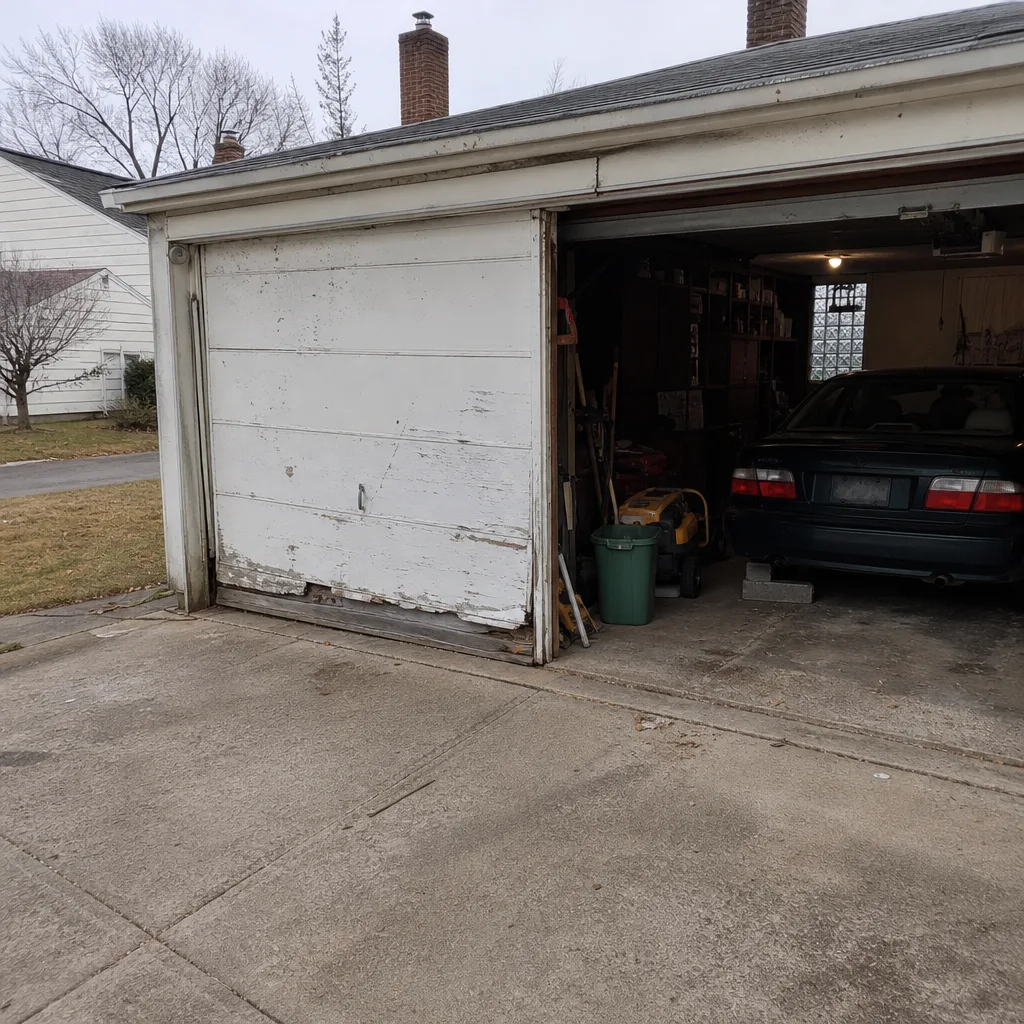 Before
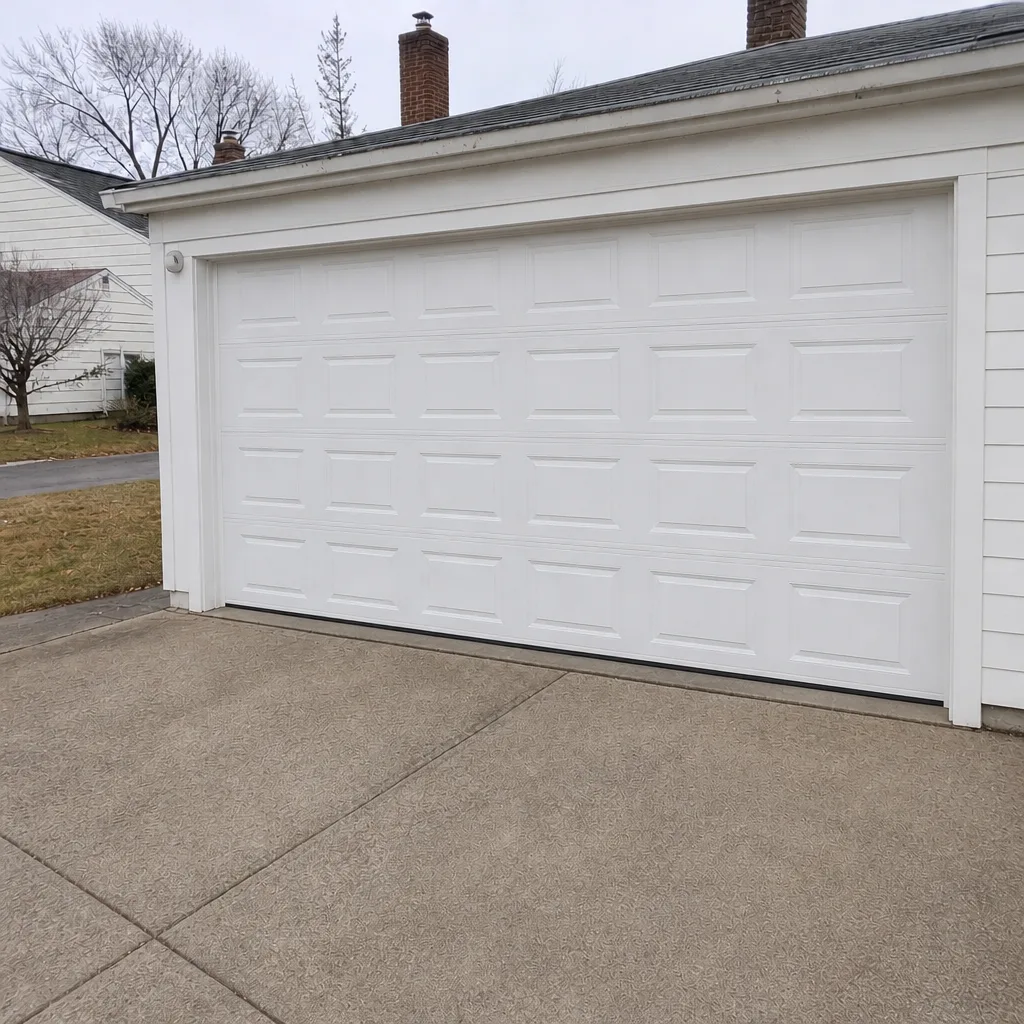 After
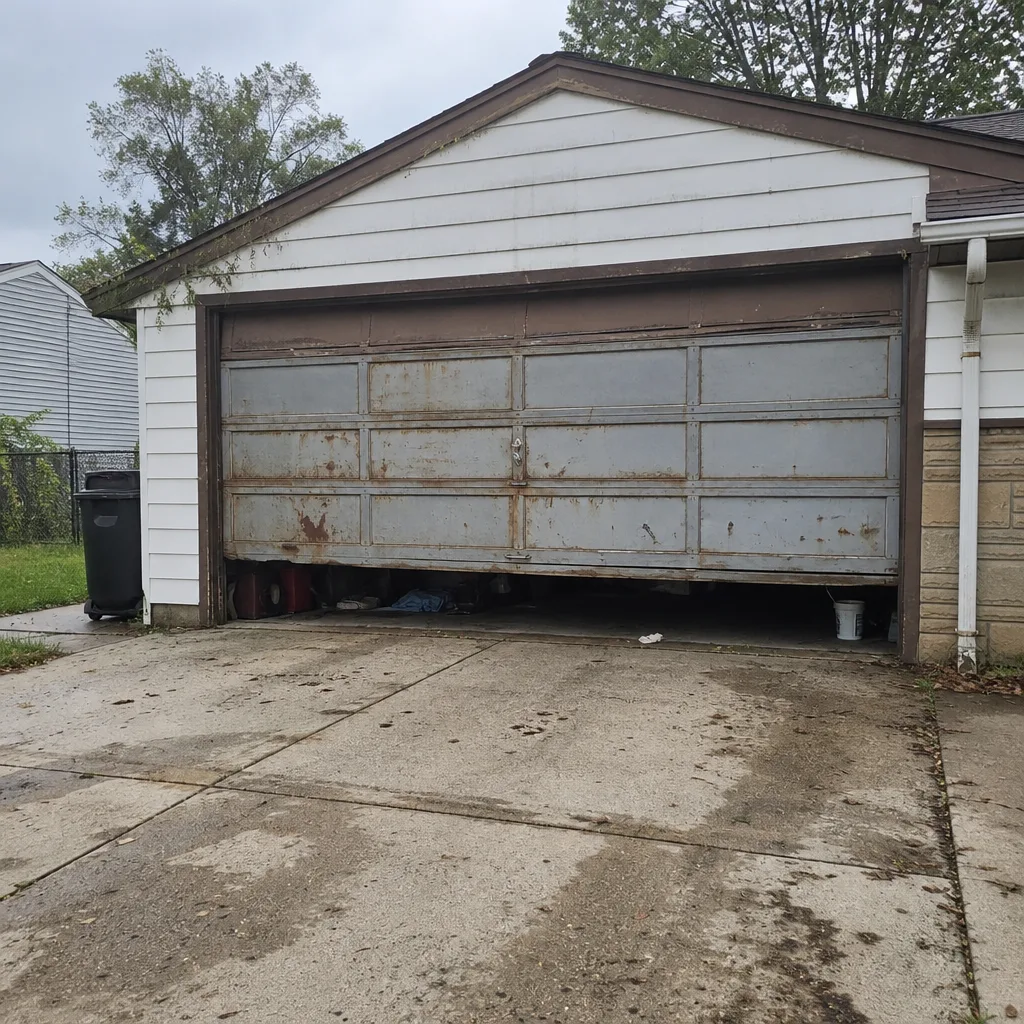 Before
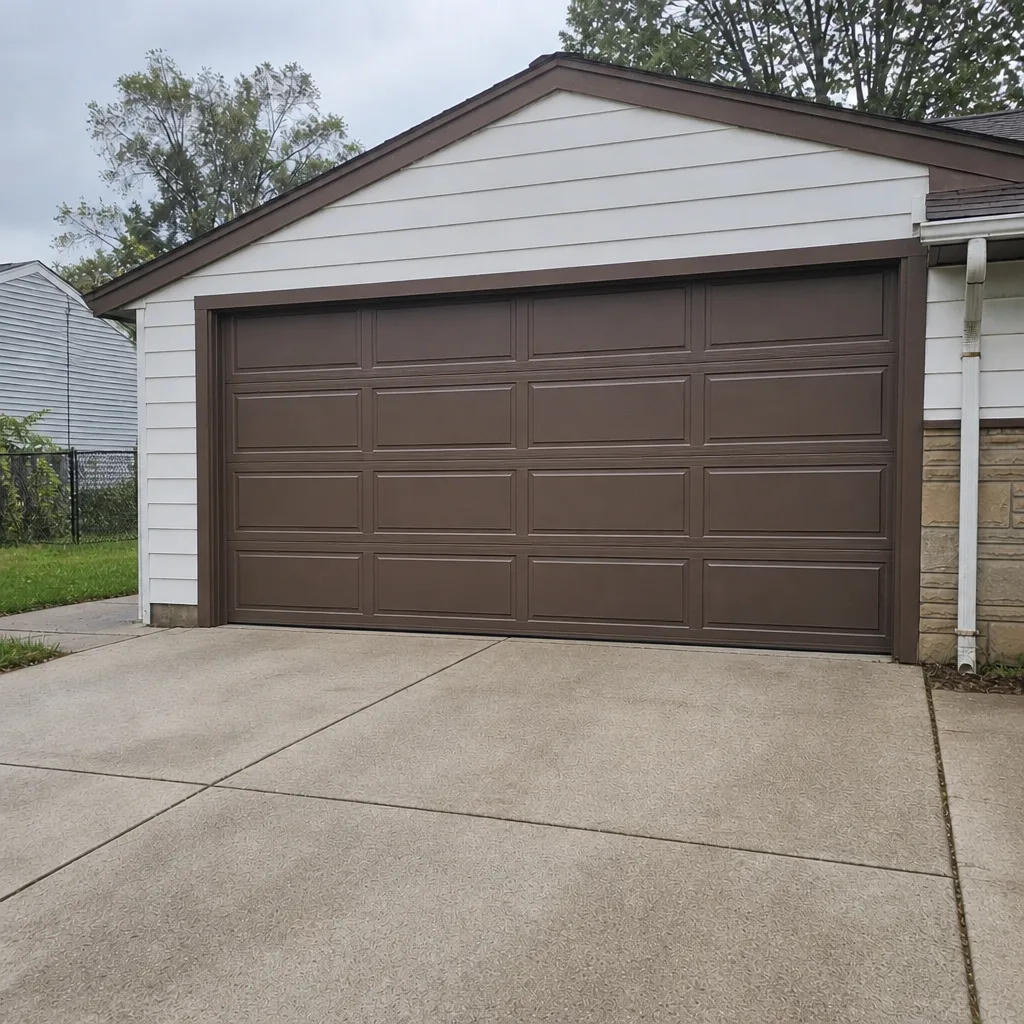 After
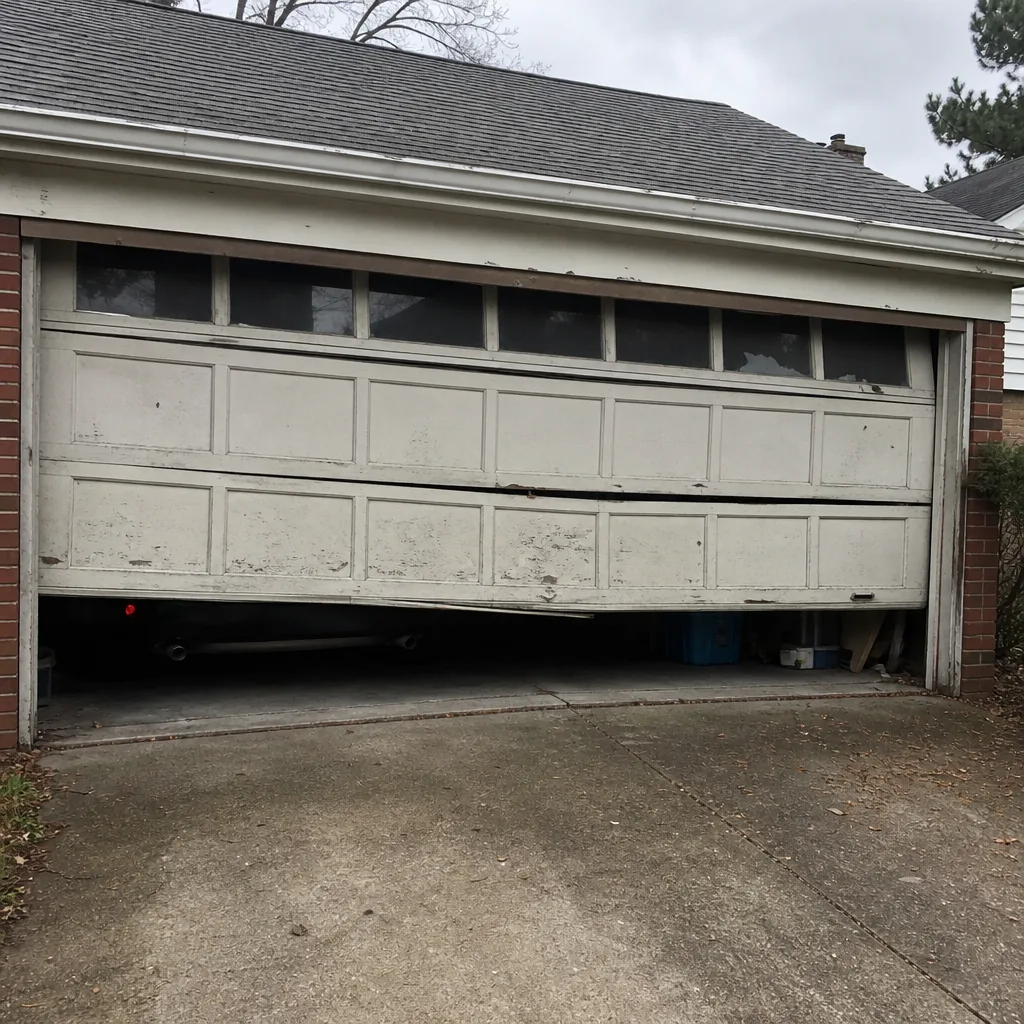 Before
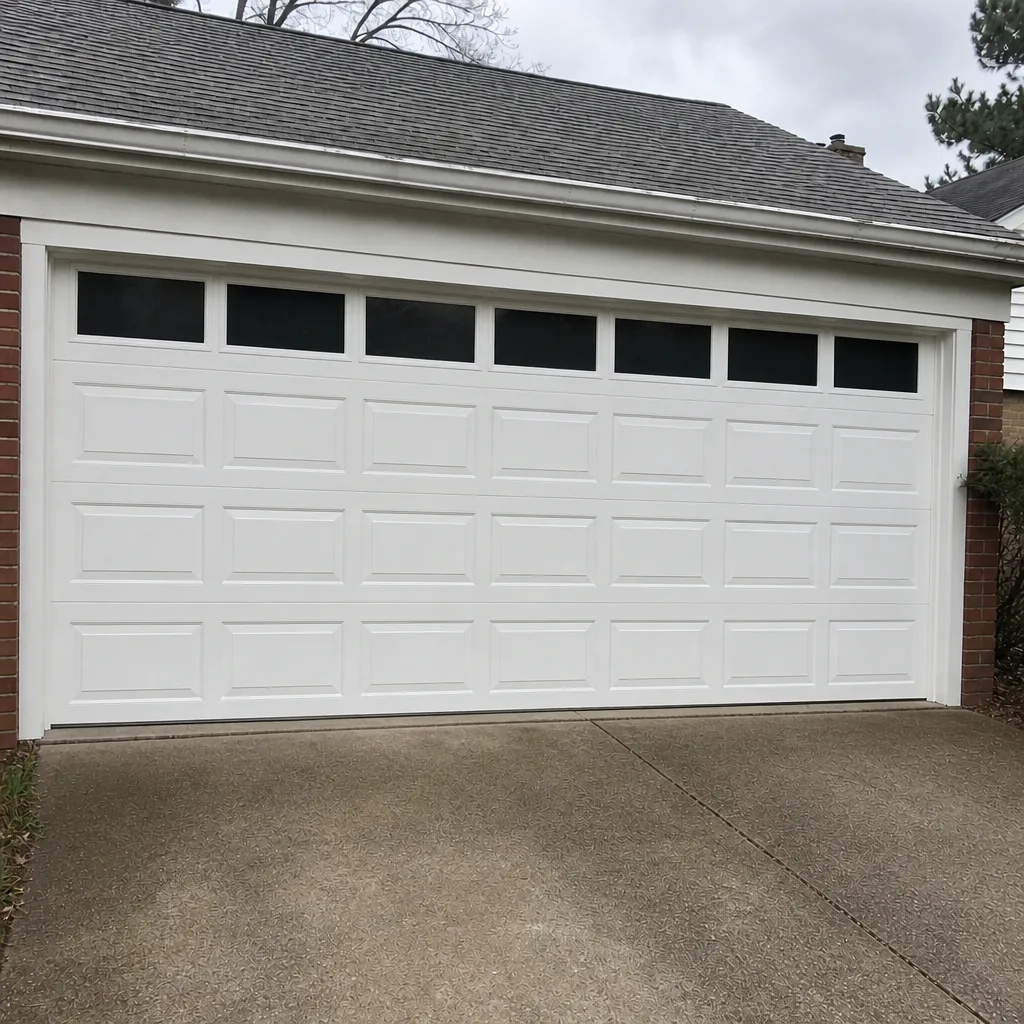 After