Last updated November 21, 2026
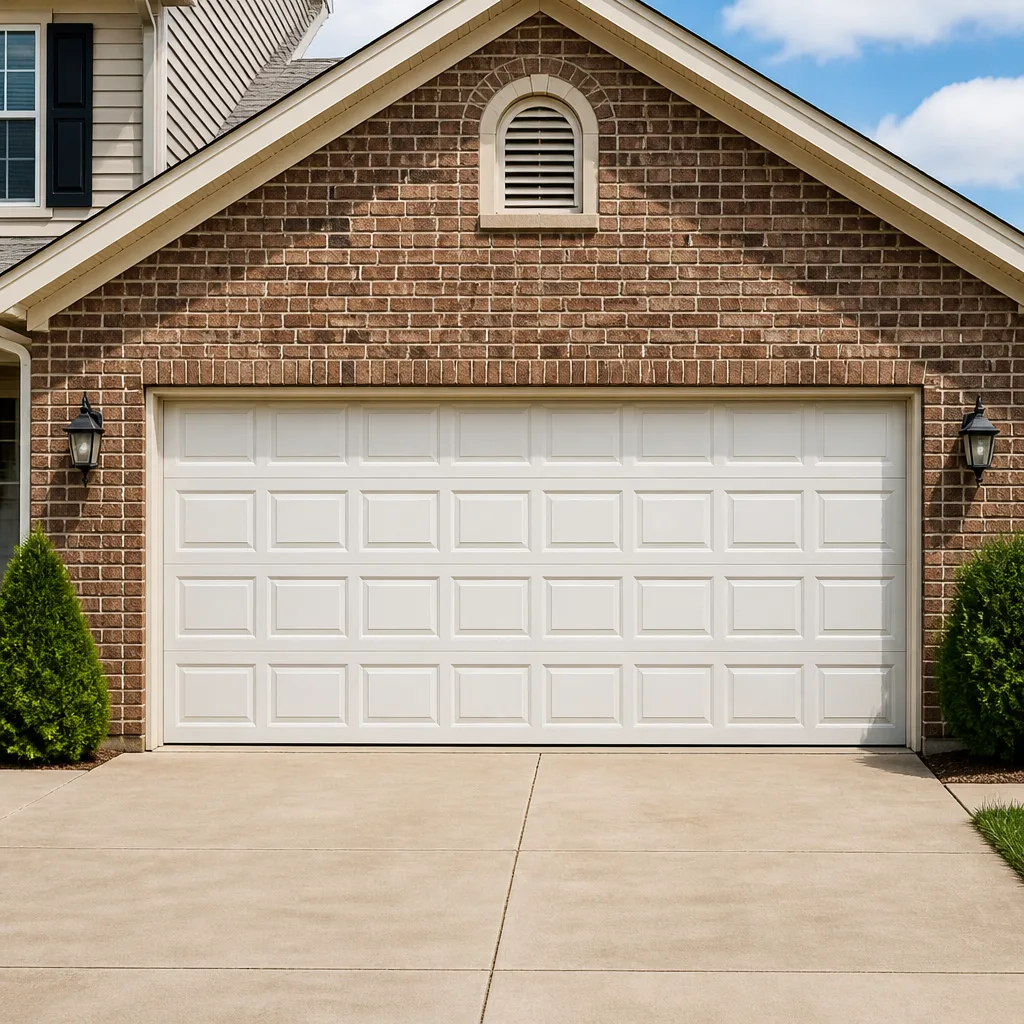 Raised-panel steel
 Carriage house
 Modern flush
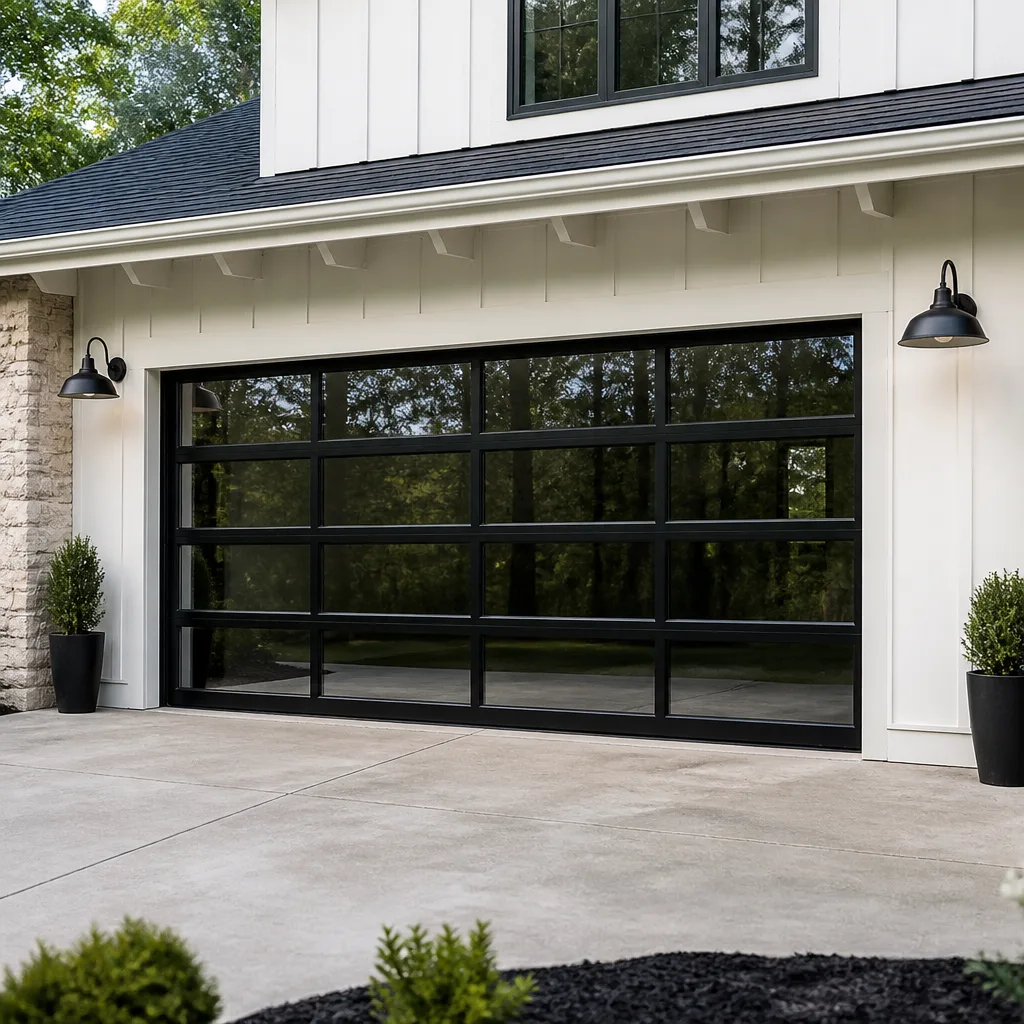 Full-view glass
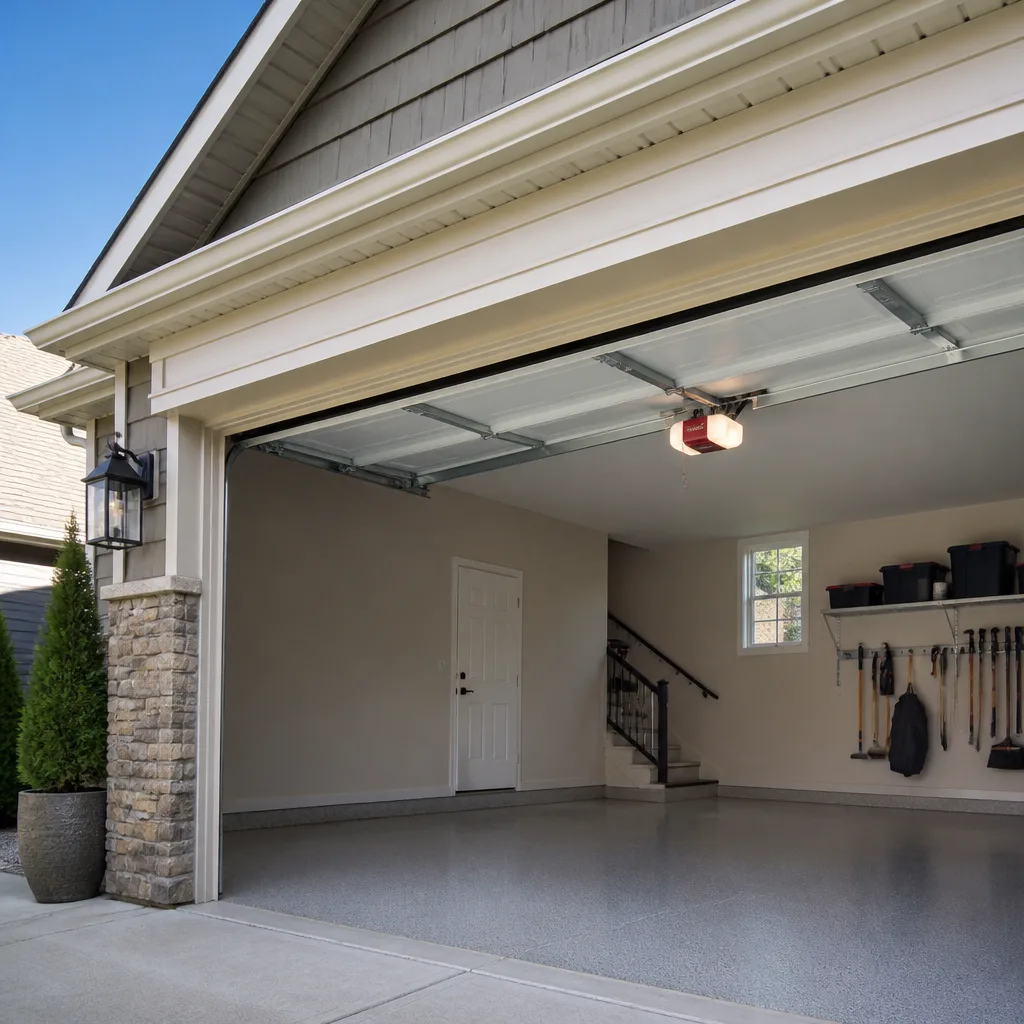 LiftMaster openers
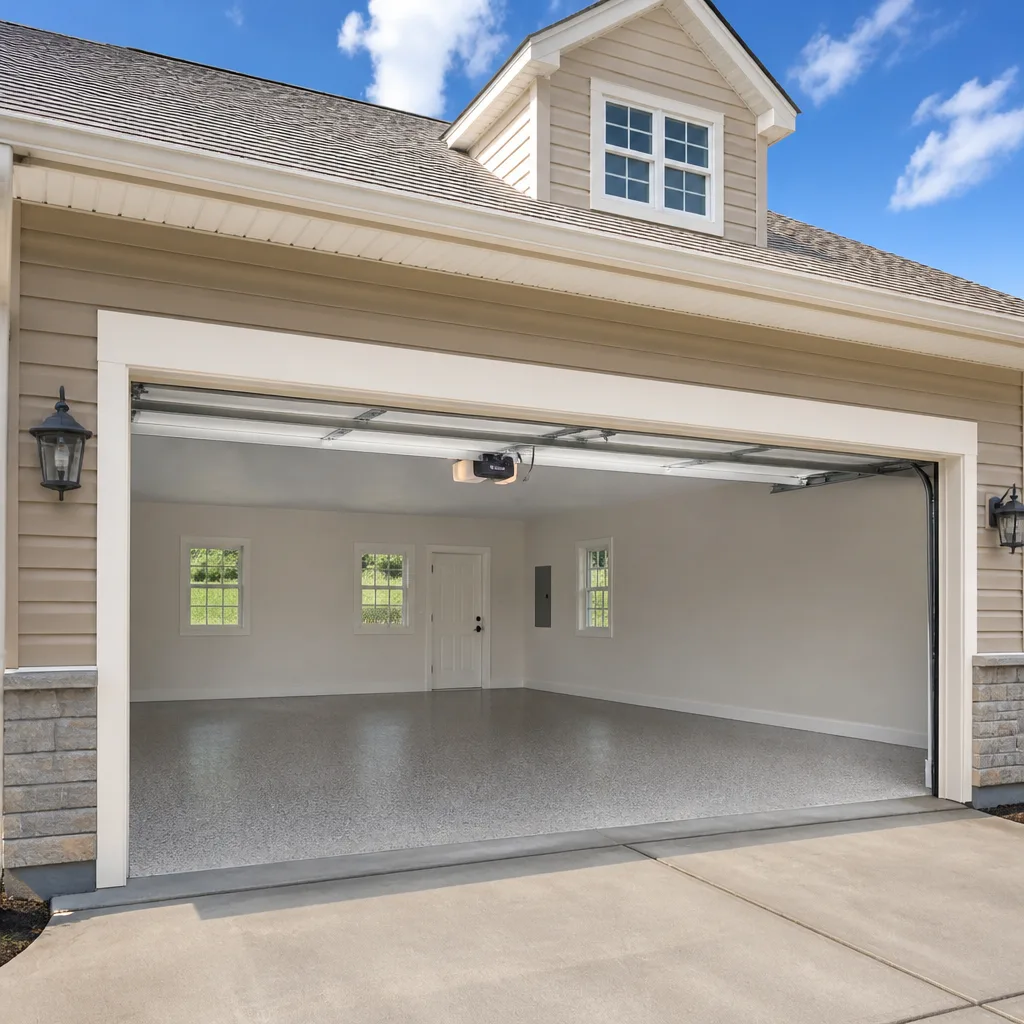 Chamberlain openers
Full 25-point door and opener safety check with every visit - springs, cables, rollers, tracks, and your LiftMaster or Chamberlain opener included
You get a price before we start. It does not change when the pro arrives.
Get your free estimateDIY vs Professional Garage Door: The Parma Homeowner’s Decision Guide
Most homeowners who ask whether they can fix their own garage door are asking the wrong question. The real question isn’t whether you’re handy enough. It’s which specific tasks on a garage door carry an injury profile that makes DIY genuinely dangerous, and which ones are ordinary maintenance that doesn’t warrant a service call at all. A torsion spring stores enough energy to cause permanent injury in a single failure. That’s not a liability disclaimer – it’s a mechanical fact that changes the entire calculation, no matter how many tools you own or how many projects you’ve finished. This guide splits garage door work task by task for Parma homeowners, so you know exactly where the safe DIY line sits and where it stops being worth the risk.
Quick Answer
You can safely handle lubrication, safety sensor alignment, weather seal replacement, and opener reprogramming yourself. You should never touch torsion springs, extension springs, or lift cables – those require a trained technician because the stored energy can injure you in a fraction of a second. Track realignment, panel replacement, and opener motor work fall in the middle: sometimes manageable, often not, depending on what’s actually wrong with the door.
Styles & brands we work with
- Raised-panel steel
- Carriage house
- Modern flush
- Full-view glass
- LiftMaster openers
- Chamberlain openers
Table of Contents
- Why Torsion Springs Change the DIY Equation
- What You Can Safely Do Yourself
- What Requires a Technician
- The Tool and Parts Reality Check
- The True Cost of DIY Spring Repair in Parma
- The Hybrid Approach That Actually Saves Money
- How Parma’s Older Garages Complicate DIY
- Brand-Specific Opener Work
Why Torsion Springs Change the DIY Equation
A torsion spring is a coiled steel bar under constant tension, and it’s holding the entire weight of your garage door. When a technician winds a spring, they’re loading hundreds of pounds of force into a component the width of your forearm. When that spring fails – whether from fatigue, corrosion, or a mistake during installation – all of that energy releases at once. There’s no gradual warning. There’s a bang, and then there’s whatever the spring and the door did in the half-second that followed.
This is why spring repair is a safety job, not a repair job with extra caution attached. In our experience, the homeowners who get hurt are rarely careless people. They’re capable people who watched a video, rented the winding bars, and didn’t understand how much force they were actually managing until it was too late. The danger isn’t in the difficulty of the steps. It’s in the stored energy, which doesn’t care how carefully you’re following instructions.
Garage doors in Parma deal with a real seasonal swing – humid summers, freezing winters, and the freeze-thaw cycles in between. That expansion and contraction works metal over time, and springs that have cycled through a decade of Northeast Ohio seasons are closer to failure than the door’s appearance suggests. A spring can look perfectly fine and still be at the end of its life.
Here’s the part that matters for the DIY question: there is no safe homeowner method for winding or unwinding a torsion spring. There’s no trick, no workaround, no tool that makes it a reasonable weekend project. Extension springs, common on older single-car doors around Parma, carry the same risk when they snap. If your spring is broken, or you suspect it’s failing, that’s the point where DIY stops. We handle garage door repair as a dedicated service because spring work deserves a specialist, not a generalist with a ladder.
Safety note: If you hear a loud snap from the garage, see a gap in the spring coil, or find the door suddenly heavy and hard to lift, stop operating the door. Don’t try to lift it manually and don’t attempt to remove the spring. Call a trained professional.
What You Can Safely Do Yourself
A good chunk of garage door ownership is maintenance, and maintenance is exactly where DIY makes sense. These tasks don’t involve stored spring energy, and getting them wrong won’t hurt you. They’re also the tasks that prevent bigger problems down the line.
Here’s what’s genuinely safe for a homeowner to handle:
- Lubrication. A garage door has hinges, rollers, and a track that need periodic lubrication. A silicone-based spray or a proper garage door lubricant on the hinges, rollers, and pivot points keeps the door quiet and reduces wear. Avoid grease, which collects grit and turns into a grinding paste.
- Safety sensor alignment. The two small sensors at the bottom of the door tracks should face each other and light up steadily. If one is knocked out of alignment, the door reverses or refuses to close. Straightening them and wiping the lenses is a five-minute job.
- Weather seal replacement. The rubber or vinyl seal along the bottom of the door takes a beating in Parma’s winters. When it cracks or flattens, you get drafts, water intrusion, and pests. A replacement bottom seal slides into the existing retainer on most doors and is a straightforward homeowner swap.
- Opener reprogramming. Remote controls that stop working, keypads that need a new code, or Wi-Fi openers that need reconnecting to the app are all programming tasks, not repair tasks. The manual for your opener brand walks you through it.
- Visual inspection. Look at the springs for gaps or rust, check the cables for fraying, and listen for unusual grinding. Catching a problem early is the cheapest thing you can do.
None of these require special tools, and none of them put you in the path of stored energy. Do them, and you’ll extend the life of the door and catch small problems before they turn into spring or cable failures.
What Requires a Technician
The line between DIY and professional isn’t about complexity. It’s about what happens if something goes wrong. These tasks all involve either stored energy or the full weight of the door, and a mistake can injure you or damage the door beyond a simple fix.
This is the work that belongs to a trained technician:
- Torsion spring replacement. The most dangerous task on any garage door. Winding and unwinding a torsion spring requires proper winding bars, a precise understanding of the spring’s wind count, and the physical control to manage the release. Get it wrong and the spring can snap free with enough force to break bones.
- Extension spring replacement. Older doors use extension springs that stretch along the tracks. When they fail, they release toward whatever’s in their path unless safety cables are installed correctly. We never recommend a homeowner swap these.
- Cable replacement. The lift cables are under tension from the springs and carry the door’s weight. A cable that slips off a drum while you’re working on it can take a finger or worse. Cables and springs are a package deal for a reason.
- Track realignment. A bent or out-of-alignment track makes the door bind and can cause the door to come off its rollers. Straightening a track that’s under load is a two-person credentialed job, and forcing it can crack the door panel or send a roller flying.
- Opener motor and gear replacement. A dead opener motor, a stripped gear, or a burned-out logic board means opening the housing and working around the drive system. The electronics and mechanicals are interdependent, and brand-specific parts matter.
- Panel and structural repair. A dented or cracked panel on a door with a torsion system can affect the balance of the whole assembly. Panels on modern doors like Clopay and Amarr models are weight-specific to the door.
If your door is stuck, off its track, or making a sound that suggests something has failed, that’s a call-a-professional moment. If you’re not sure which category you’re in, that’s what free estimates are for.
The Tool and Parts Reality Check
Here’s what people don’t see in the DIY videos: the equipment. A genuine torsion spring job isn’t a screwdriver-and-pliers project, and the tools involved aren’t things most homeowners own or will ever use again.
A proper spring replacement needs:
- Two winding bars of the correct diameter for your spring cone. Using a screwdriver or a piece of rebar is how people get hurt. Winding bars are specific tools, and cheap ones bend or strip.
- A spring scale or winding chart to set the correct number of turns. Every door height and spring size has a required wind count. Get it wrong and the door won’t balance, or the spring fails early.
- Properly sized replacement springs. Springs are matched to the door’s weight, height, and the number of cycles they need to handle. Buying the wrong spring is common, and it either won’t lift the door or won’t last.
- A door clamp or locking pliers to secure the door in place – and the knowledge of where to safely clamp it.
Add the cost of those tools to the cost of a spring, and the DIY “savings” evaporate before you’ve touched the door. Worse, none of those tools have a second use. They sit in the garage forever, and the spring still needs a technician if you get stuck partway through. In our experience, the homeowner who starts a spring job and calls us halfway through is in a worse spot than the one who called first – the door is now partially disassembled, and the job takes longer to make safe.
On the parts side, spring selection isn’t guesswork. The wrong spring can shorten the door’s life, strain the opener, and create a safety concern. A professional picks the spring by weight and cycle rating, matches it to the door, and knows the difference between a standard and a high-cycle spring.
The True Cost of DIY Spring Repair in Parma
The comparison most homeowners make is DIY cost versus professional cost. The honest version of that comparison has to include what happens when the DIY job goes wrong, and the numbers there aren’t close.
When a DIY spring repair fails, the costs stack up fast:
- An emergency room visit. Hand and arm injuries from spring releases are the most common outcome, and an ER visit plus follow-up care dwarfs any repair bill.
- Door panel damage. A door that comes down unevenly or jumps its track can bend panels, crack the bottom section, or damage the opener. A single panel replacement on a modern door can cost more than the original spring job.
- The professional call you make anyway. Most failed DIY spring jobs still end with a technician in the garage – now with a door that’s partially disassembled and harder to make safe.
- Lost time. A door that’s stuck open or stuck shut means a day off work, a car trapped in the garage, and a house that’s not secure.
The upfront professional cost for spring work, by contrast, is a known number before anyone touches the door. A written estimate tells you what the job costs, and the work comes with a trained technician on the other end. If you’re weighing the numbers, it’s worth understanding what a professional spring job runs in this market. You can get an upfront number by calling us at (855) 658-4208 for a free estimate, and we’ll quote before any work begins.
The DIY math only works if the job goes perfectly. When you include a realistic chance of injury, panel damage, and a second call, the “cheaper” option rarely is.
The Hybrid Approach That Actually Saves Money
There’s a middle path that doesn’t get talked about enough, and it’s where a lot of Parma homeowners land once they understand the task-by-task split. You don’t have to choose between full DIY and calling for every small thing. You can do the safe prep and cleanup around a professional’s visit and let the technician handle the high-risk components. Same result, lower bill, no injury risk.
A hybrid approach looks like this:
- Clear the workspace. Before the technician arrives, move the car, clear the garage floor in front of the door, and make sure the area around the door is accessible. This saves setup time.
- Identify the door and opener models. Check the sticker on the door and the label on the opener unit. Knowing you have a Chamberlain opener or a Clopay door helps the technician bring the right parts and cuts diagnostic time.
- Describe the symptom precisely. “The door goes up about a foot and then reverses” tells a technician far more than “it doesn’t work.” A clear description reduces the time spent diagnosing.
- Prepare the sensors and seals yourself. If the sensors need alignment or the bottom seal needs replacing, handle that before the visit, or ask the technician to do it while they’re there since the door will be open anyway.
- Handle cleanup after. Once the springs or cables are replaced, the safe cleanup and the routine lubrication are back on your side of the line.
The savings come from less diagnostic time and less non-specialist labor, and the risk stays with the person equipped to manage it. It’s also a good way to get more done in a single visit – a technician who’s already there for a spring can check the opener, the rollers, and the balance of the door in the same trip, which is the “same company, every service” advantage in practice.
How Parma’s Older Garages Complicate DIY
The standard DIY video assumes a garage with a clean, full-height ceiling and room to move on both sides of the door. Plenty of garages in Parma don’t match that picture, and the mismatch matters.
Older garages in Parma often have low ceilings that limit working room above the door, especially where the torsion spring and the opener rail sit close together. A homeowner trying to position winding bars in a cramped space has less control and less margin for error, and that’s before the door weight comes into play. Some older garages have narrow side rooms where the tracks run tight to the wall, which makes track work and roller access awkward. Original framing from older construction can also be out of square, so a door that looks level may actually be carrying uneven tension – a condition a trained eye catches and a homeowner usually doesn’t.
These structural quirks are the reason a general DIY video doesn’t translate to a specific garage. The door system in front of you is the one you have to work on, and it has its own geometry. A technician who works on older Parma garages regularly reads those conditions before touching the spring. That’s not a skill most homeowners can build from a tutorial, and it’s precisely why the spring job is worth handing off.
If you’re in a newer build, the ceiling height and framing are more predictable, but the spring danger is identical. The stored energy doesn’t care about the age of your garage.
Brand-Specific Opener Work
Opener repair is a separate category from spring and cable work, and it’s a good example of where brand knowledge matters for the DIY-versus-pro call. Openers from LiftMaster, Chamberlain, Genie, and Craftsman each have their own programming sequences, their own error codes, and their own failure patterns. Some of that is homeowner-friendly – pairing a remote, resetting a Wi-Fi connection, adjusting travel limits. Some of it isn’t – a dead capacitor, a stripped drive gear, or a logic board failure.
Wi-Fi and smart openers add a layer. The myQ system on LiftMaster and Chamberlain units, for example, can stop responding to the app for reasons that have nothing to do with the door – router changes, firmware updates, or a failed Wi-Fi module. Troubleshooting the app is a reasonable homeowner task. Diagnosing whether the opener’s internal board is the real problem is not.
We work on the brands that are actually on Parma homes, which means we’re not learning your system on the clock. That’s the point of garage door opener repair as a dedicated service rather than a generalist add-on. When the opener is failing but the door is fine, an opener specialist sees the specific symptom patterns faster.
If you’re considering a new door rather than repair, brand knowledge matters differently, and garage door installation is measured, ordered, and scheduled – not a same-day job. The measurement, the door selection, and the installation are a planned process, with a written price before anything is ordered.
Common Mistakes to Avoid
- Using the wrong tools on a spring. A screwdriver, a piece of pipe, or a pair of pliers is not a winding bar. Using the wrong tool on a loaded torsion spring is the single most common path to a hand injury, and it’s entirely avoidable.
- Buying a spring by size alone. Springs are matched to door weight and cycle rating, not just length and diameter. A spring that fits but isn’t rated for your door will fail early or strain the opener.
- Ignoring the safety cables. If your older door has extension springs without safety cables running through them, that’s a safety concern that should be corrected. Cables contain a spring that snaps so it doesn’t project into the garage.
- Forcing a binding door. A door that’s hard to move isn’t a door that needs more force. It’s a door with a track, roller, or balance problem that forcing will worsen.
- Shimming a crooked track instead of correcting it. Eyeballing a track alignment on an older garage can leave the door binding, and repeated binding wears out the opener and the rollers.
- Testing the door with a person in the way. Never reach under a moving door to adjust or test it. Modern openers have safety sensors for a reason, and they can fail.
- Assuming a quiet door is a healthy door. A spring near failure often gives no warning beyond the snap. Regular visual inspection matters more than the sound.
See the difference
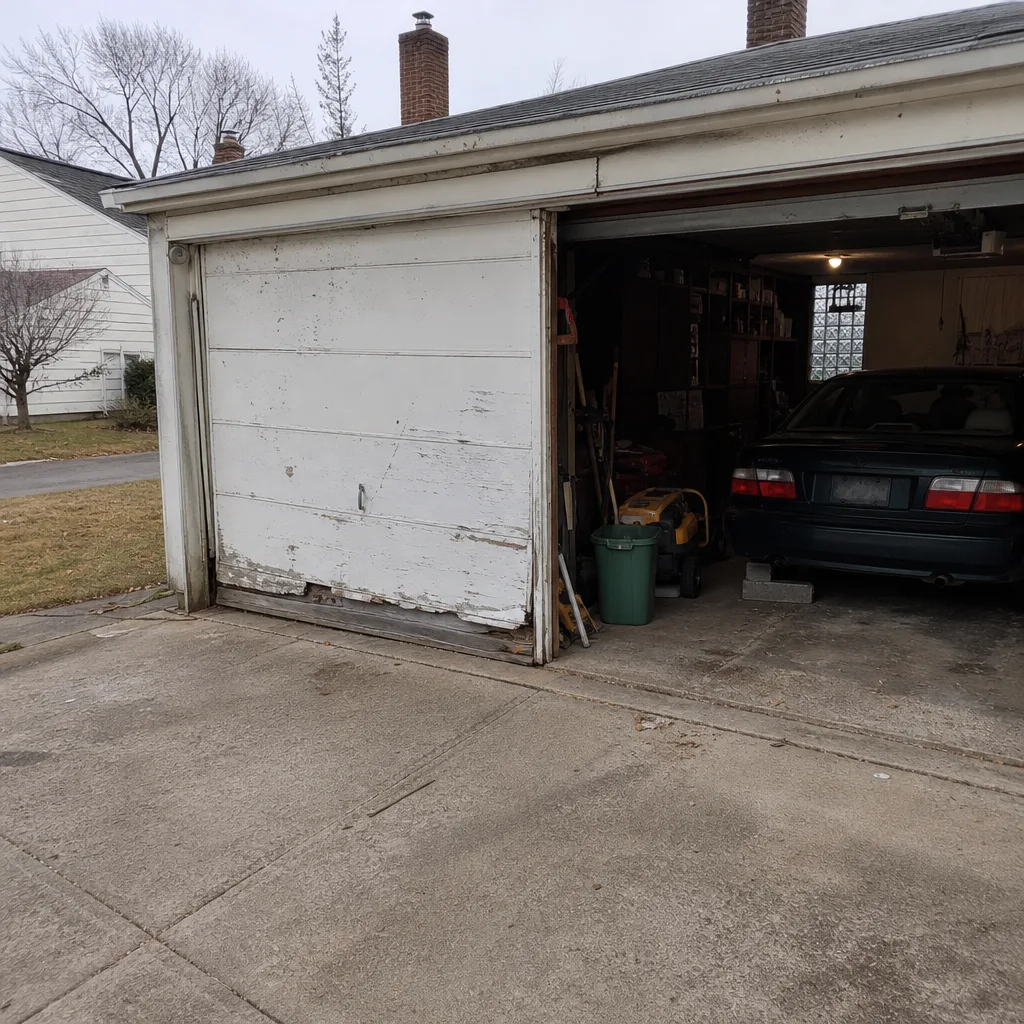 Before
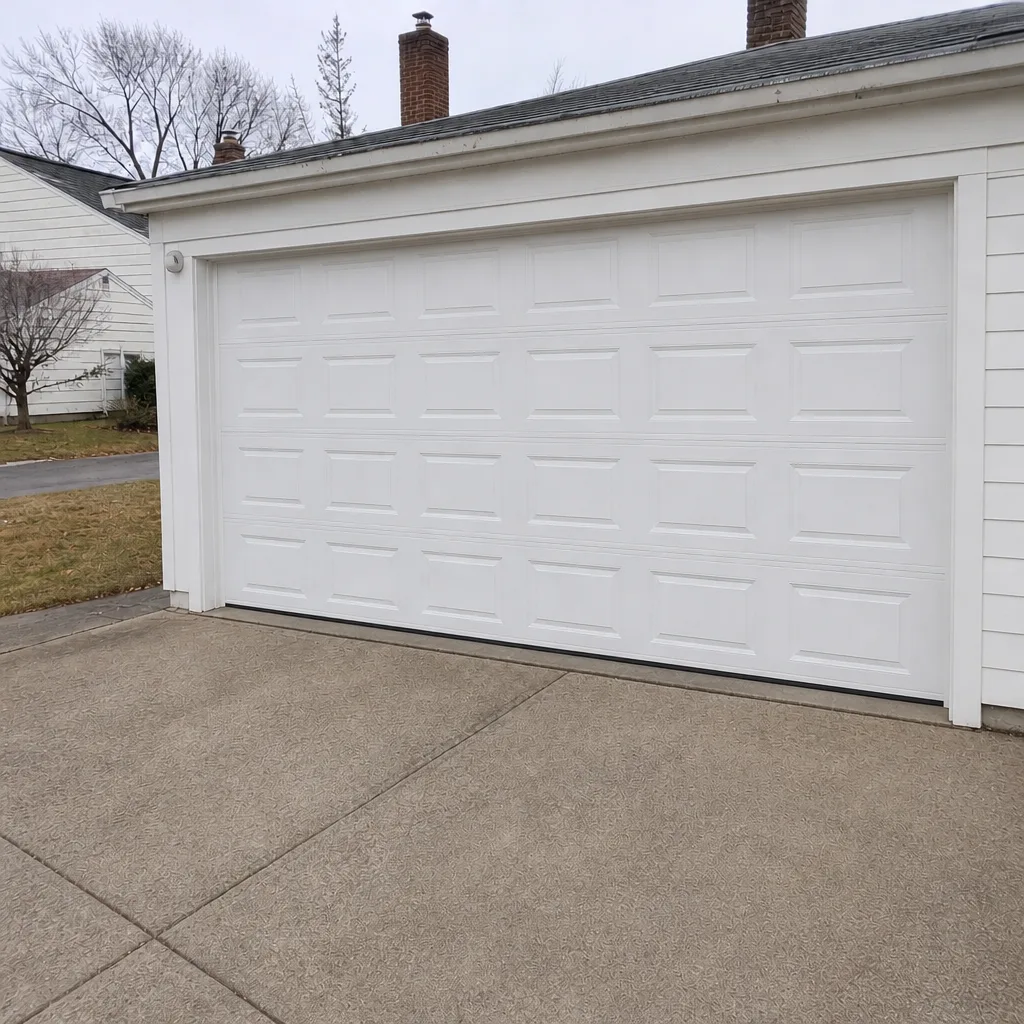 After
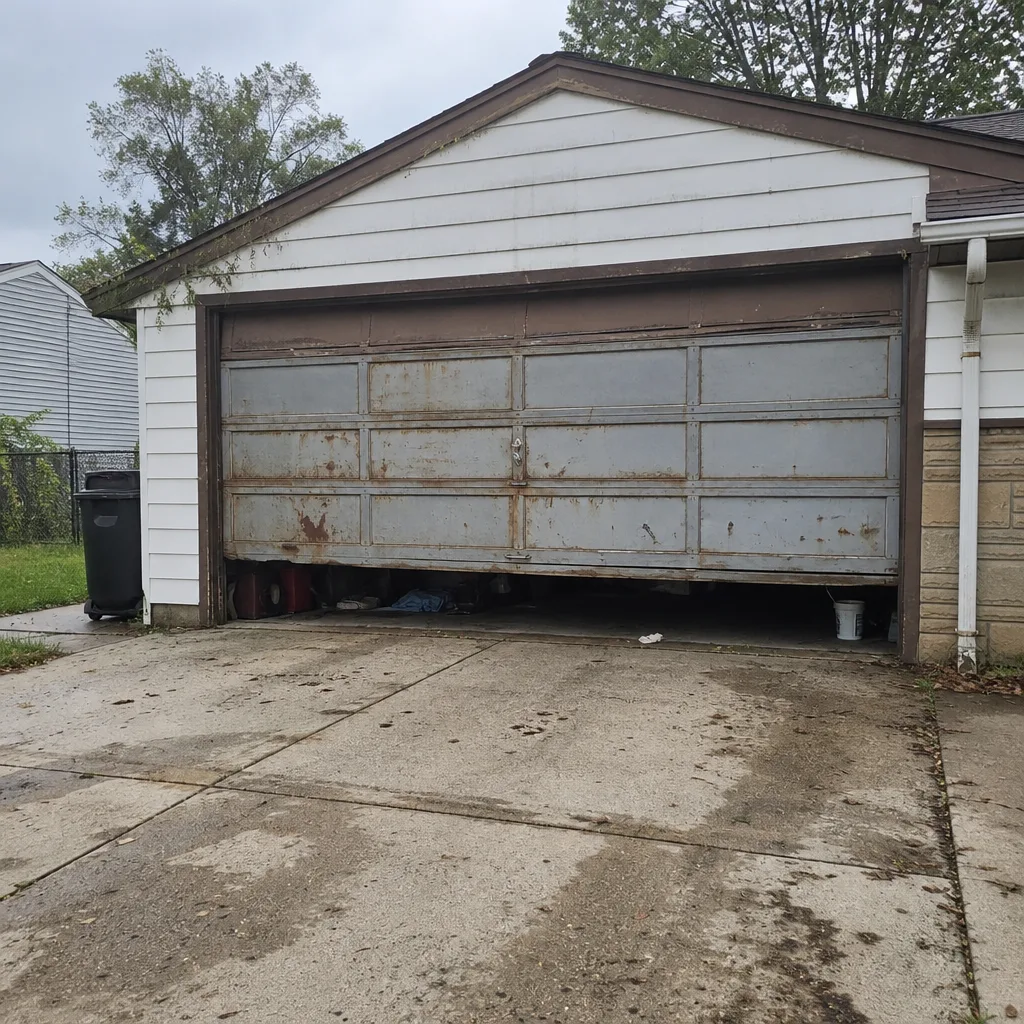 Before
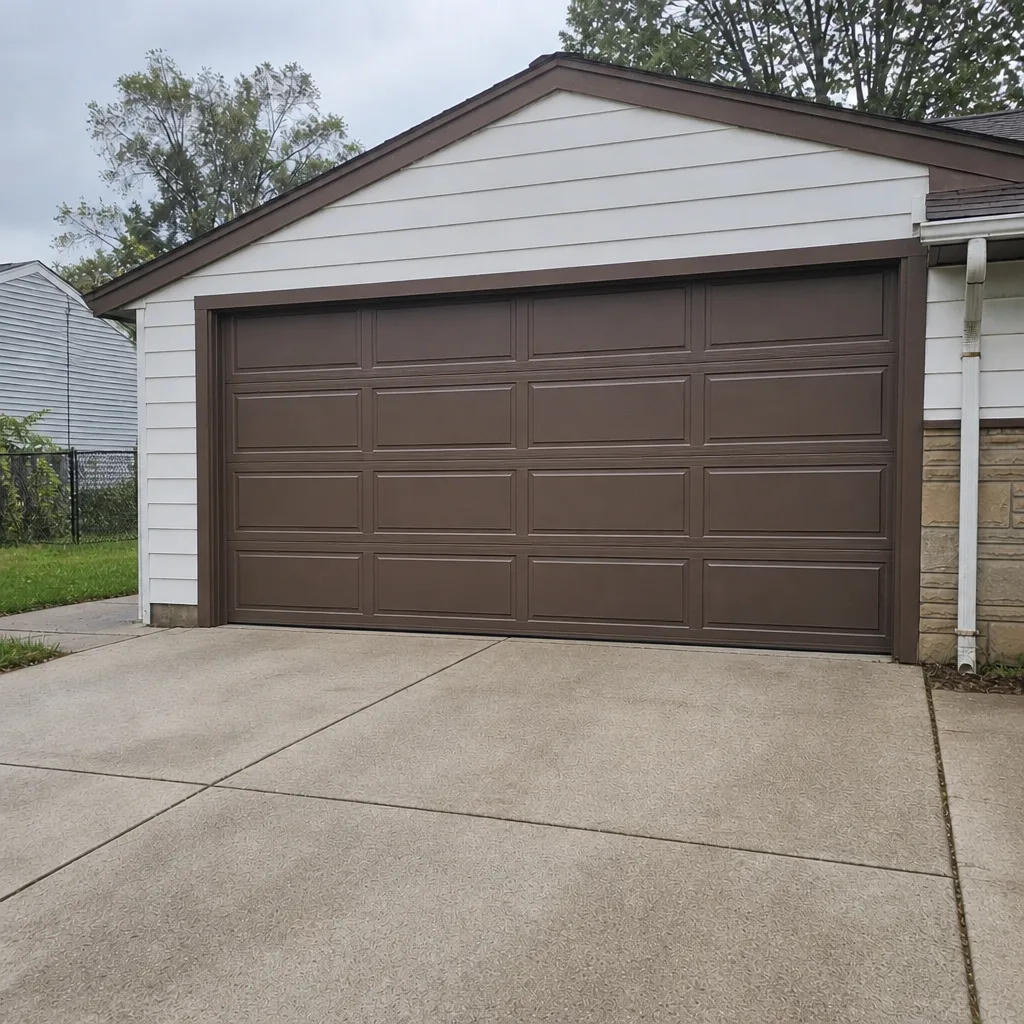 After
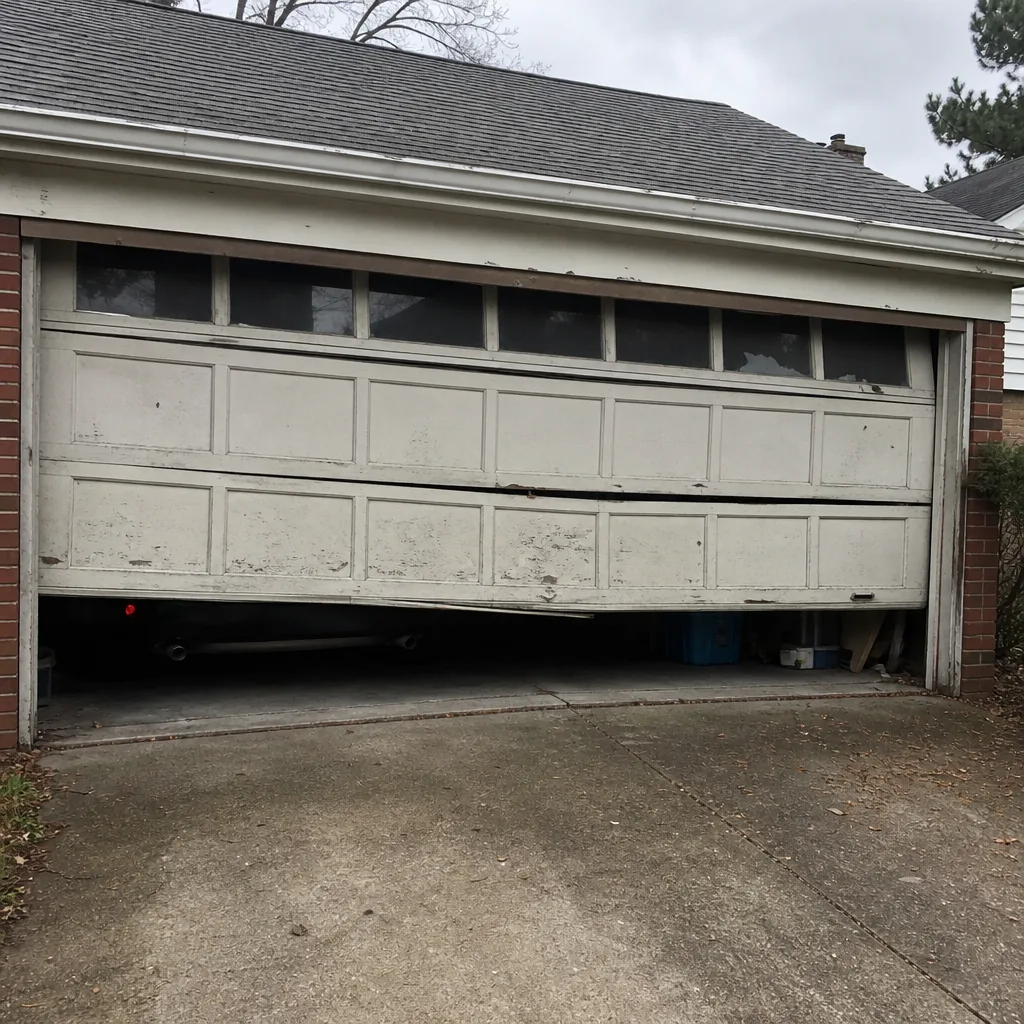 Before
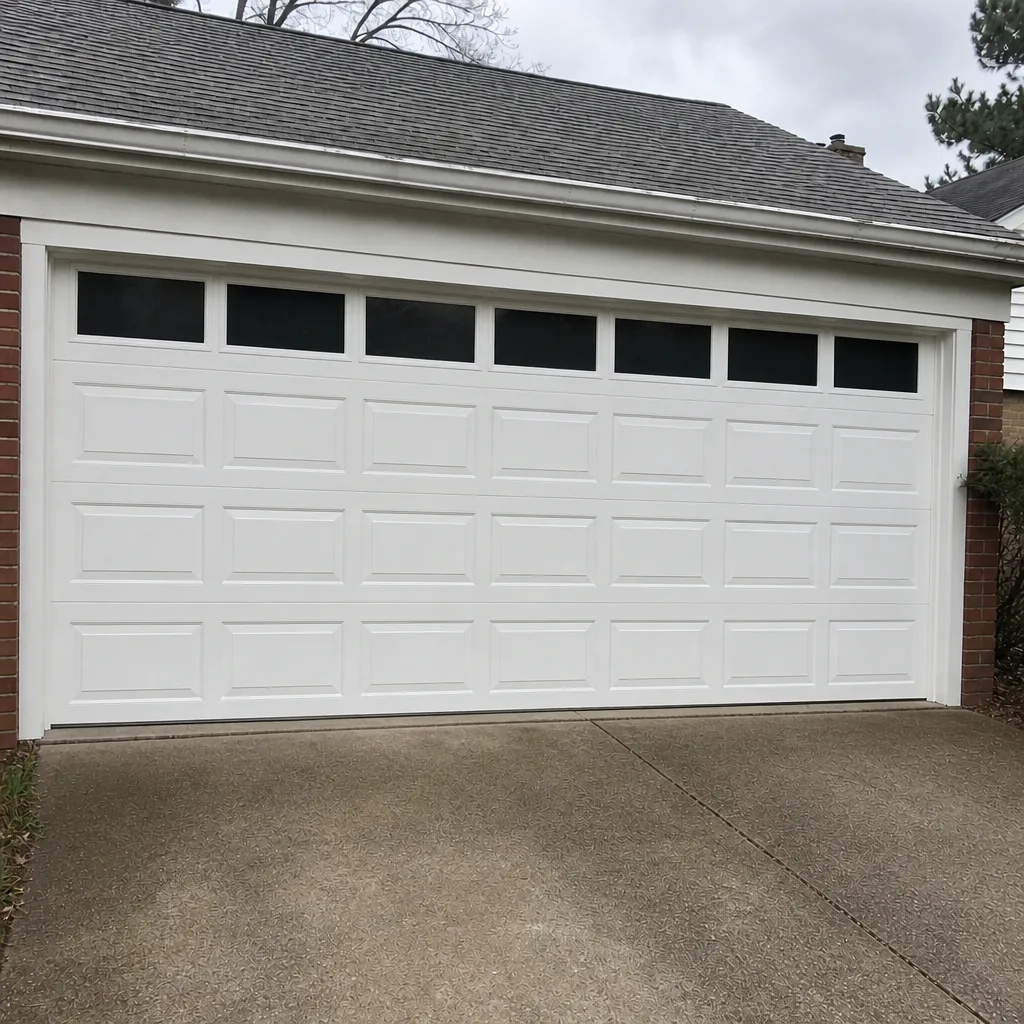 After
When to Call a Professional
Call a professional when the work involves a spring, a cable, or the door’s weight and balance. Call immediately if you hear a snap from the garage, if the door is stuck open or stuck shut, or if the door came off its track. Call if the opener runs but the door doesn’t move, or if a panel is cracked or the door is visibly sagging. Track realignment and opener motor or gear replacement also belong on the professional side of the line, especially on an older Parma garage with tight framing. Routine maintenance – lubrication, sensor alignment, seal replacement, reprogramming – stays with you.
Parma Garage Door Repair Pros offers free estimates in Parma – call (855) 658-4208. The written quote is the price, and it’s agreed before any work starts. Spring work is a named specialty, and emergency service is available when the door won’t wait.
Frequently Asked Questions
No. A torsion or extension spring replacement involves stored energy that can cause permanent injury in a single failure, and it requires winding bars and correct wind counts that most homeowners don’t have. This is the one task on a garage door that should always go to a trained technician. If you want a safe number, call (855) 658-4208 for a free estimate.
Lubrication, safety sensor alignment, weather seal replacement, and opener reprogramming are all safe homeowner tasks because none of them involve stored spring energy or the full weight of the door. Visual inspection is also worth doing regularly. Anything involving springs, cables, track realignment, or a dead opener motor should go to a professional.
It usually costs more than the professional job would have. A failed DIY repair can mean an ER visit, a damaged panel, and a technician call anyway – now with a partially disassembled door. The professional estimate is the cheaper path because the number is known before any work starts. Call (855) 658-4208 for an exact quote – estimates are free.
Low ceilings, narrow side rooms, and original out-of-square framing reduce working room and make the door’s true balance harder to judge. A door that looks level in an older garage may be under uneven tension. A technician reads those conditions before touching the spring; a homeowner usually doesn’t see them until something goes wrong.
Yes. Lubrication and sensor alignment prevent faster wear and cost almost nothing. Use a garage door lubricant on hinges and rollers, avoid grease, and keep the sensor lenses clean and aligned. These tasks belong on your side of the DIY line.
Yes. Opener repair is a dedicated service line covering the leading smart and traditional opener brands, including LiftMaster, Chamberlain, Genie, and Craftsman. If the door moves but the opener won’t, the problem is usually in the opener, and we can give you an exact quote. Call (855) 658-4208 to book a free estimate.
The Bottom Line
The DIY-versus-professional question for garage doors isn’t about your skill level. It’s about which tasks carry an injury profile that makes DIY genuinely dangerous. Lubrication, sensor alignment, weather seals, and opener programming are safe homeowner maintenance. Springs, cables, and track realignment belong to a technician, and no tool or video changes that. The hybrid approach – prep and cleanup yourself, high-risk components to a professional – is the smartest path for most Parma homeowners. Our technicians have up to 13 years of experience, and we work on the brands already on your door. Parma Garage Door Repair Pros handles everything from a broken spring to a brand-new door.
Call (855) 658-4208 for a free estimate. We’ll quote the price before any work starts, and you’ll know exactly what you’re paying before the door comes down.
Written by the team at Parma Garage Door Repair Pros.